Water Leak Detection Memphis
Hidden water leaks in Memphis homes can spread fast, especially where Shelby County clay soil shifts slabs and older cast iron lines run beneath pre-1970s properties.
Water leak detection finds hidden pipe leaks behind walls, under slabs, below flooring, and around aging supply lines. It is for Memphis homeowners noticing damp spots, rising water bills, mildew smells, or foundation moisture. Local soil movement, older plumbing, and humid conditions make early location important before damage spreads.
Professional Water Leak Detection In Memphis, TN
Water leak detection in Memphis is not just about finding a wet spot. A leak can start under a slab in Hickory Hill, behind a bathroom wall in Midtown, near a laundry connection in Whitehaven, or beneath a kitchen floor in a South Memphis bungalow before the homeowner sees obvious water. In my experience, the first clue is often a soft floor, a musty room, or a water meter that keeps moving when every fixture is shut off.
We use practical field methods to narrow the source without tearing into every wall or floor. Memphis homes create their own challenges because clay soil expands and contracts, older copper and galvanized lines weaken over time, and many slab homes along Lamar Avenue, Airways Blvd, and Winchester Road have plumbing routed through areas that are difficult to access.
A homeowner looking for affordable drain cleaning Memphis may also need help understanding whether moisture near a drain is actually a pipe leak, a backup, or condensation. The right inspection keeps the repair focused, limits damage, and gives you a clear next step instead of guesswork.
Our Process for Water Leak Detection
Reading the Home Before Opening Anything
We begin by looking at the symptoms in the order they appeared. A warm spot on a tile floor near Poplar Avenue tells a different story than bubbling paint in a Cooper-Young bathroom or standing water beside a water heater in Frayser. That timeline matters because water travels along framing, flooring, pipe chases, and slab edges before it shows itself.
We check visible plumbing first: supply stops, toilet bases, sink cabinets, water heater pans, washing machine valves, exterior hose bibbs, and any nearby drain openings. Many leaks blamed on “bad plumbing” are actually small failures at fittings, shutoff valves, or appliance connections that slowly soak surrounding materials.
Memphis humidity can make this confusing. In summer, condensation around cold lines can mimic a leak, especially in tight utility rooms and older homes with limited ventilation. We separate surface moisture from active water movement before recommending any wall or floor opening.
Meter Testing and Pressure Clues
Once the visible checks are done, we use the water meter to see whether water is moving while the fixtures are off. This step is especially helpful in homes around Orange Mound, Binghampton, and Raleigh where older plumbing may run through walls that have been remodeled several times. A moving meter does not tell the exact location, but it confirms the system is losing water somewhere.
Pressure behavior gives another clue. A slab leak may show steady loss even without fixture use, while a leak near a bathroom group may only appear after certain fixtures run. We often see this in pre-1960 homes near Midtown and the Medical District where older materials have been patched over the years instead of fully replaced.
If the leak seems tied to an underground or concealed line, we keep the search targeted. The goal is to avoid unnecessary demolition. Homeowners who find us through Memphis TN drain cleaning pros usually appreciate a straight explanation of what the meter and pressure readings mean before any repair decision is made.
Moisture Mapping Around Walls, Floors, and Slabs
Next, we trace the affected area with moisture readings and visual inspection. A damp baseboard along Southern Avenue may point to a wall line, while moisture at a slab edge in Cordova or Bartlett can suggest water traveling beneath flooring before appearing near an exterior wall. Water rarely respects the room where it began.
We look for swelling trim, loose flooring, discolored drywall, mildew odor, cabinet staining, and cool or warm surface changes. In slab homes, a hot water line leak may create warmth under tile or laminate. In older Midtown homes, leaks may follow joists or plaster cavities before showing as a stain several feet from the actual pipe.
Tree roots and soil movement can also complicate what a homeowner sees. Mature oaks and sweetgums around East Memphis, Overton Park, and Cooper-Young are better known for sewer line intrusion, but shifting soil around those same areas can stress water lines and joints. That is why we connect the plumbing symptoms with the age, layout, and ground conditions around the property.
Explaining the Repair Path Clearly
After the source is narrowed, we explain what is likely leaking, where access may be needed, and what repair options make sense. Sometimes the answer is a small fitting replacement under a sink. Other times it may involve opening a section of drywall, accessing a slab line, or coordinating with a restoration company if water has soaked building materials.
We try to give homeowners a practical picture rather than vague warnings. A leak under vinyl flooring in Hickory Hill needs a different plan than a pinhole leak behind tile near Union Avenue. If the home has older galvanized piping or cast iron nearby, we also point out related risks without turning the visit into a sales pitch.
Good leak location saves time, money, and frustration because the repair starts closer to the real problem. Once the source is understood, the next question most homeowners ask is what the service usually costs in Memphis.
Cost Of Water Leak Detection In Memphis
Water leak detection in Memphis usually depends on how hidden the leak is, how much testing is needed, and whether the plumbing is accessible. A straightforward inspection for a visible or semi-visible leak may run around $125 to $250. That could include checking cabinets, fixture connections, the water meter, nearby walls, and obvious moisture patterns.
More involved leak locating often falls in the $250 to $550 range. This is common when the leak may be under a slab, behind finished walls, beneath flooring, or somewhere in a line that serves multiple rooms. The labor cost rises because the technician has to isolate sections of the system, read pressure clues, compare moisture patterns, and avoid cutting into the wrong place.
Homes in older Memphis neighborhoods can take longer. A Midtown house with plaster walls, original pipe routes, and several past remodels may require more careful tracing than a newer home in Cordova. Slab homes in Hickory Hill or Raleigh can also be more involved because water may surface far from the actual pipe break.
Emergency visits, after-hours calls, and active flooding can cost more because the job becomes about stopping immediate damage as well as finding the source. We usually explain the likely range before the work begins, then update you if the inspection points to something more complex.
Price matters, but the signs you notice early often determine whether this stays a small repair or becomes a larger cleanup.
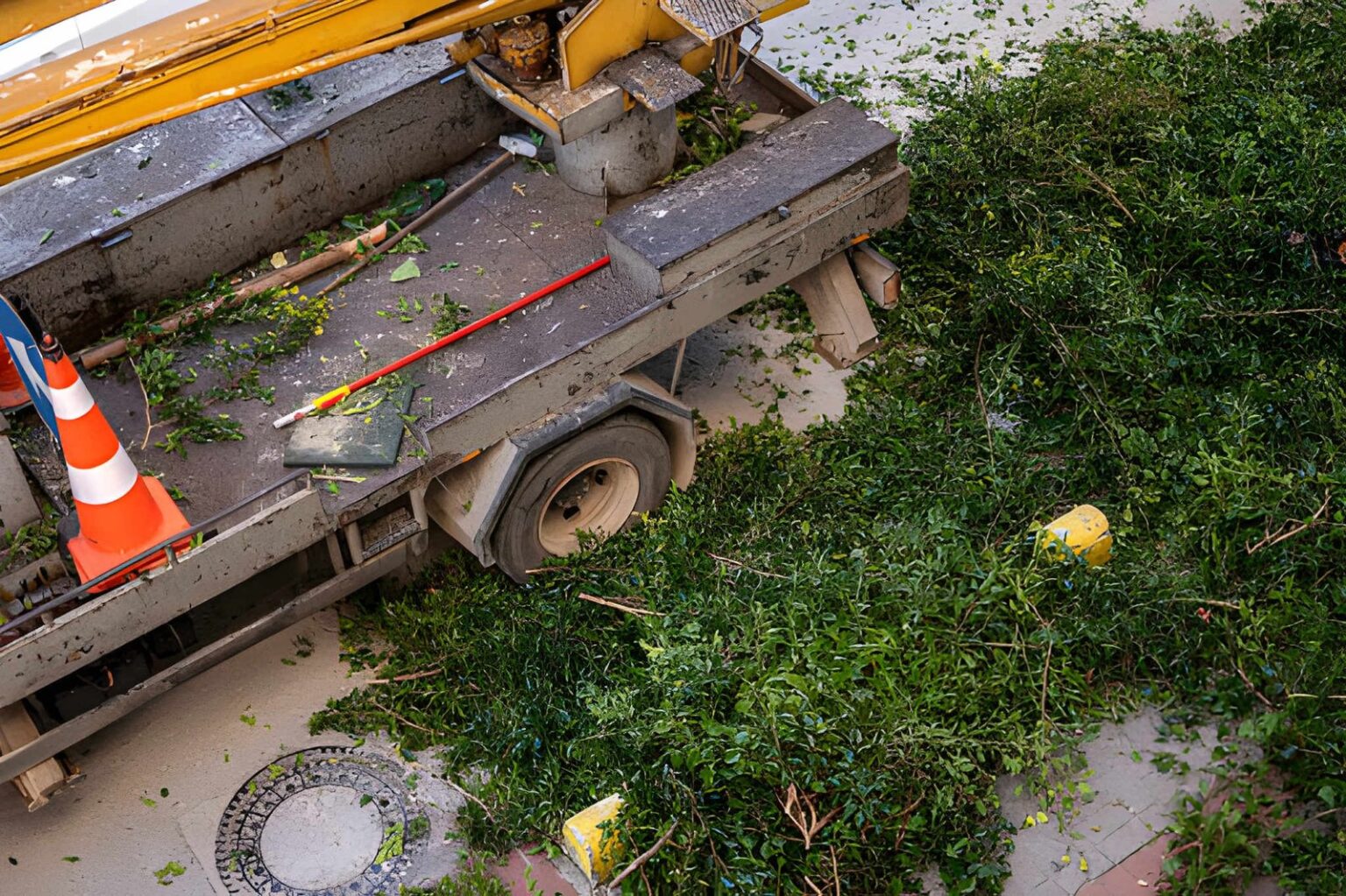
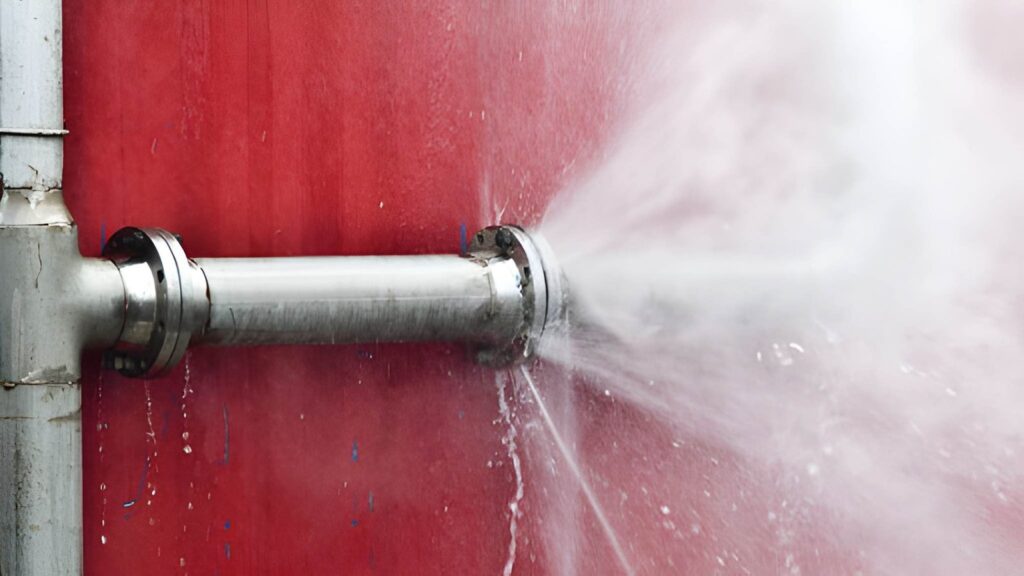
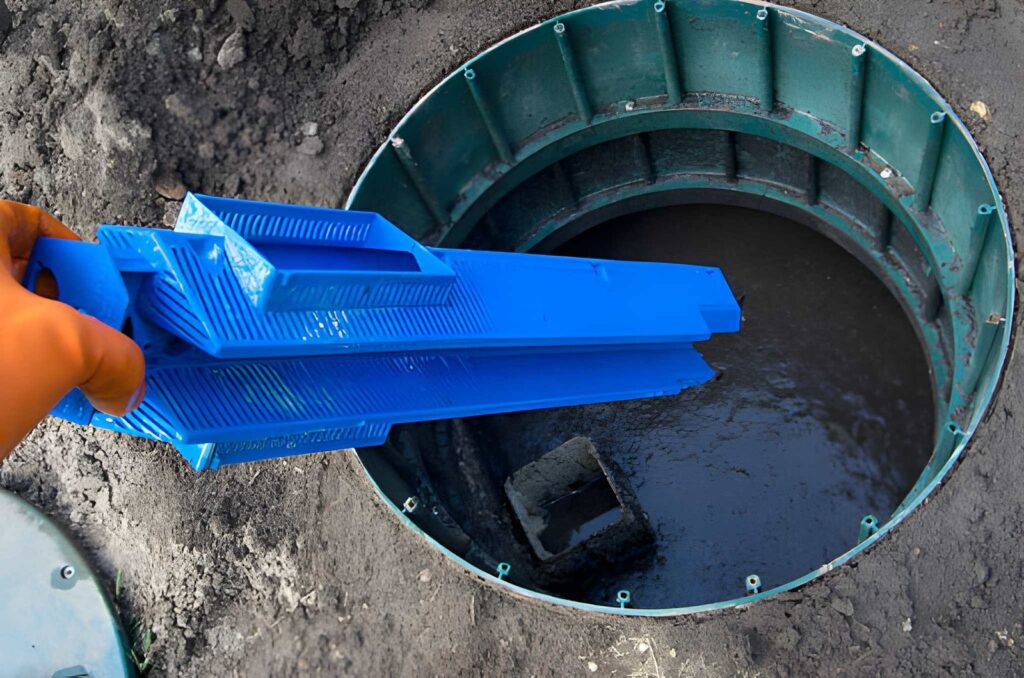
Examples of Our Drain Cleaning Projects In Memphis, TN

Signs You Need Water Leak Detection
Water Bill Rises Without Extra Use
A sudden bill increase can mean a hidden supply line is running constantly, especially if the meter moves while every faucet and appliance is off.
Musty Odors or Damp Flooring Indoors
Sewer gas odors indoors are not a normal leak sign, but musty smells, soft flooring, or damp baseboards can point to hidden water.
Moisture Appears During Memphis Storm Events
After heavy spring rain, groundwater and poor drainage can expose weak pipe areas, especially around older slab homes and low-lying South Memphis properties.
Our Satisfied Customers Reviews
Why Memphis People Choose Us?
Transparent, Honest Pricing
We provide clear estimates before work begins, with no hidden fees or surprise charges.
24/7 Emergency Response
Drain emergencies can’t wait. Our team responds quickly when backups, overflows, or urgent drain issues happen.
Fully Licensed and Insured Professionals
Our technicians are trained, licensed, insured, and background-checked for your peace of mind.
Community-First Approach
As a local Memphis business, we take pride in serving the community and treating every property with care.
Long-Term Solutions, Not Quick Fixes
We focus on resolving the underlying issue to help prevent recurring drain and sewer problems.
Respect for Your Time and Property
We arrive on schedule, work efficiently, and leave your property clean when the job is done.
FAQ'S About Water Leak Detection
How do I know if I have a hidden water leak?
Common signs include a higher water bill, a meter that moves when fixtures are off, damp flooring, peeling paint, soft drywall, mildew odor, or unexplained moisture near cabinets and baseboards. In Memphis slab homes, warm floor spots can also point to a hot water line leak beneath the concrete.
What does water leak detection usually cost in Memphis?
Basic leak checks often cost around $125 to $250, while more detailed hidden leak locating can range from $250 to $550. The price depends on access, pipe location, testing time, and whether the leak is behind walls, under flooring, or beneath a slab.
Can I find a hidden leak myself?
You can check easy clues like the water meter, toilet tanks, sink cabinets, water heater area, and exterior hose bibbs. A professional visit is better when the leak is inside a wall, under a slab, near electrical areas, or causing damage you cannot trace.
How long does leak locating usually take?
Many inspections take one to two hours when the symptoms are clear. More complex homes, remodeled layouts, slab leaks, or moisture that has traveled across several rooms can take longer because the technician has to narrow the source carefully.
Why are slab leaks common in some Memphis homes?
Memphis clay soil can shift as it gets wet and dries out, which places stress on pipes under concrete slabs. In neighborhoods like Hickory Hill, Raleigh, and parts of South Memphis, slab movement and older pipe materials can make hidden leaks harder to spot early.
Is a musty smell always caused by a pipe leak?
No. A musty smell can come from humidity, poor ventilation, roof leaks, crawlspace moisture, or HVAC condensation. It becomes more concerning when it appears with damp trim, soft flooring, staining, or a water meter that shows movement with fixtures off.
Will leak detection damage my walls or floors?
The purpose of leak detection is to reduce unnecessary damage by narrowing the location before opening anything. Sometimes access is still needed for repair, but careful testing helps avoid cutting into random walls or flooring.
What should I do before the technician arrives?
Clear access to sinks, toilets, the water heater, laundry area, and the water meter if possible. Avoid running extra water unless necessary, and note where you first saw moisture, when it appeared, and whether it changes after showers, laundry, or storms.
Are older Memphis homes more likely to have hidden leaks?
Many older homes near Midtown, Cooper-Young, South Memphis, and the Medical District have aging supply lines, past repairs, plaster walls, or pipe routes that are difficult to follow. Age alone does not prove a leak, but it does make careful inspection more important.
Can heavy rain make a water leak worse?
Heavy rain may not create a pressurized supply leak, but it can reveal weak areas, push groundwater around slabs, and make indoor moisture harder to diagnose. During spring storm season, Memphis homes with poor grading or older foundations may show moisture that needs careful separation from plumbing leaks.