Basement Drain Cleaning Memphis
Basement floor drains in Memphis often back up when spring storms push groundwater against aging lines near Midtown, South Memphis, and low-lying neighborhoods.
Basement drain cleaning clears blocked floor drains, trap lines, and connected sewer paths for homeowners with standing water, odors, or lower-level backups. Memphis makes this urgent because older cast iron, clay soil movement, and heavy stormwater can turn a slow basement drain into a messy indoor backup.
Professional Basement Floor Drain Help In Memphis, TN
Basement drains are usually quiet until something goes wrong. Then water shows up around the floor drain, laundry area, utility room, or finished basement wall. In Memphis, we often see this after hard rain, especially around South Memphis, Harbor Town, and older streets near the Medical District where the water table and older sewer laterals work against each other.
This service is not just about pushing a cable into the line. We look at how the drain is acting. A basement floor drain that gurgles after the washer runs is different from one that backs up during a storm. A drain near an old cast iron branch line in Midtown needs a different touch than a slab-level drain in Hickory Hill where foundation movement may have shifted the pipe.
For homeowners comparing options, stop drain backups in Memphis starts with knowing whether the blockage is in the basement trap, the branch line, or the main path leaving the home.
Once we understand where the water is being held up, the cleaning work becomes more precise and less disruptive.
Our Process for Basement Floor Drain Service
We Start With The Water Pattern
The first thing we look at is where the water appears and when it happens. Basement drain trouble after a washing machine cycle often points toward lint, soap residue, and partial pipe restriction. Water coming up during a rainstorm can point toward main line pressure, groundwater intrusion, or a sewer lateral that cannot move flow fast enough.
In my experience, Memphis homes built before 1965 near Cooper-Young, Midtown, and Orange Mound often have older cast iron drain lines that collect scale inside the pipe. That rough interior catches sludge, lint, and grit. A floor drain may still look open from above, but the lower bend can be packed tight.
We also listen for gurgling. That sound matters. It can mean trapped air is being forced through water because the pipe is restricted somewhere downstream.
We Check The Trap And Nearby Branch Line
A basement drain has a trap below the floor. That trap is meant to hold water and block sewer gas from entering the home. It also catches debris. We often pull out hair, washer lint, mud, small pieces of tile grout, and rust flakes from older drain bodies.
Once the trap area is cleared, we test the flow before assuming the job is finished. A drain can accept a small amount of water and still fail under real use. That is why we run enough water to see how the line behaves under pressure.
Around Binghampton, Whitehaven, and homes off Lamar Avenue, we sometimes find basement drains connected to older branch lines that have a slight belly or offset. Shelby County clay soil can shift pipes over decades. When that happens, debris settles in the low spot and comes back even after a light clearing.
We Clear The Line With The Right Cable Setup
Basement drains need careful cleaning. Too much force can damage an old drain body. Too little force only punches a small hole through the blockage. We choose the cable head based on what the drain is doing, not by habit.
Greasy sludge, mud, and root fibers behave differently. Homes near Overton Park, East Memphis, and streets with mature oak or sweetgum trees can have roots reaching older clay or cast iron joints. If the basement drain is tied into a line affected by roots, the clearing needs to open the pipe wall-to-wall as much as the pipe condition allows.
This is also where a local approach helps. our drain cleaning company in Memphis sees the same recurring patterns: storm-related backups near low areas, aged cast iron in Midtown, and settled drain lines in slab homes around Hickory Hill and Raleigh.
We Test, Clean Up, And Explain What We Found
After clearing the obstruction, we flush the drain again. We watch the water level. We check for delayed backing up. We also look for sewer gas odor, because a basement floor drain with a dry or disturbed trap can smell even after the blockage is gone.
We explain what came out of the line in plain language. Lint and sludge usually mean maintenance cleaning may prevent another backup. Roots, rust scale, or mud can mean the pipe needs closer monitoring.
The goal is simple: leave the basement drain flowing and give you a clear idea of what may happen next, especially before another Memphis storm cycle hits.
Cost Of Basement Floor Drain Service In Memphis
Basement drain cleaning in Memphis commonly starts around $150 to $275 for a straightforward floor drain blockage where access is easy and the obstruction is close to the drain body. That type of job may involve trap cleaning, cable work, and flow testing.
The price can move into the $300 to $500 range when the line is longer, the blockage is deeper, or the basement drain is tied into a restricted branch line. Older homes near Midtown, South Memphis, and Cooper-Young sometimes take more labor because cast iron scale slows the cable and debris comes out in layers instead of one clean pull.
If water has backed up during a storm, the job may require more testing. A basement drain that only fails during heavy rain can involve main line pressure, not just a local floor drain clog. That kind of diagnosis takes more time because we need to separate an indoor obstruction from outside sewer load.
Extra cost can also come from tight access, standing water removal before the drain can be worked, or a drain cover that is rusted into the floor. Finished basements may require slower, cleaner work to protect flooring and walls.
A fair quote should explain what is being cleared, how far the line may need to be worked, and what signs would point to a bigger drainage issue.
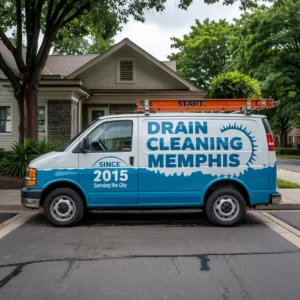
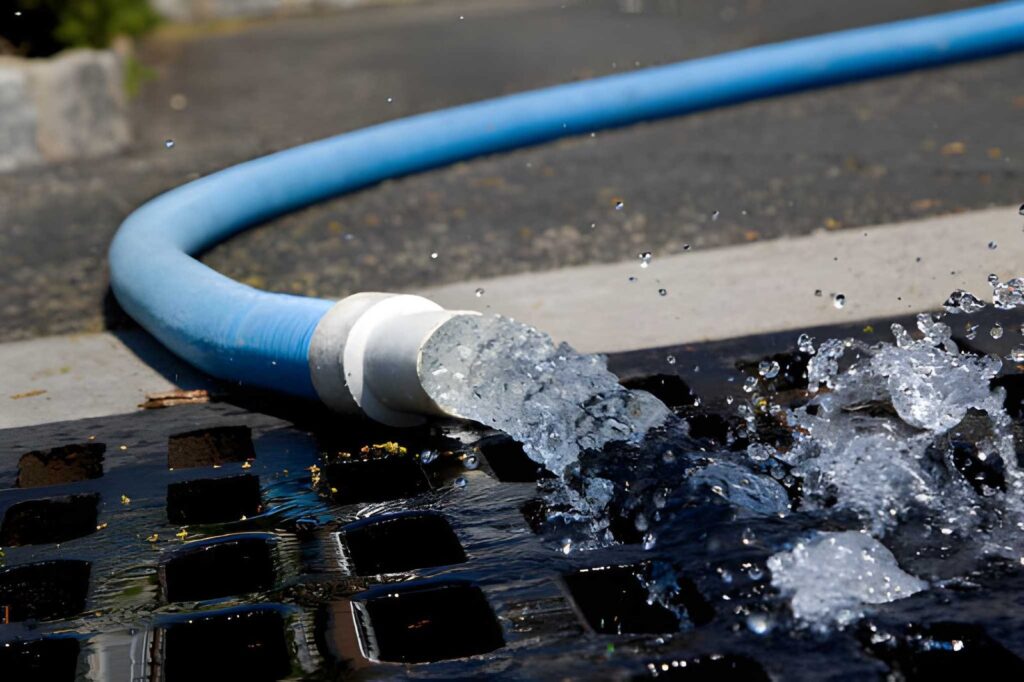
Examples of Our Drain Cleaning Projects In Memphis, TN
Signs You Need Basement Floor Drain Help
Water Rises During Spring Storms
Water coming up through the basement floor drain during Memphis rain often means the line cannot handle pressure from stormwater, groundwater, or sewer flow.
Sewer Gas Odors Indoors
A sour sewer smell near the basement drain can mean a dry trap, trapped sludge, or a restricted line pushing gas back indoors.
Laundry Water Drains Slowly
Washer discharge backing up near the floor drain usually points to lint, soap buildup, or a partial blockage in the basement branch line.
Our Satisfied Customers Reviews
Why Memphis People Choose Us?
Transparent, Honest Pricing
We provide clear estimates before work begins, with no hidden fees or surprise charges.
24/7 Emergency Response
Drain emergencies can’t wait. Our team responds quickly when backups, overflows, or urgent drain issues happen.
Fully Licensed and Insured Professionals
Our technicians are trained, licensed, insured, and background-checked for your peace of mind.
Community-First Approach
As a local Memphis business, we take pride in serving the community and treating every property with care.
Long-Term Solutions, Not Quick Fixes
We focus on resolving the underlying issue to help prevent recurring drain and sewer problems.
Respect for Your Time and Property
We arrive on schedule, work efficiently, and leave your property clean when the job is done.
FAQ'S About Basement Drain Cleaning
How much does basement drain cleaning cost in Memphis?
Most basement drain cleaning jobs in Memphis cost about $150 to $500, depending on access, blockage depth, pipe condition, and whether the backup is local or connected to the main sewer path.
How long does the service usually take?
A simple basement floor drain clearing may take about an hour. A deeper restriction in an older cast iron or clay line can take longer because the line has to be worked carefully and tested afterward.
Can I pour drain cleaner into a basement floor drain?
It is not a good idea, especially in older Memphis homes with cast iron pipes. Chemical cleaners can sit in the trap, create fumes, and make the line more hazardous to service.
Why does my basement drain back up when it rains?
Rain-related backups can happen when groundwater, storm runoff, or sewer pressure overwhelms an older line. Low-lying areas near South Memphis, Harbor Town, and older sewer corridors are more prone to this pattern.
What causes sewer odor near a basement drain?
The common causes are a dry trap, sludge in the trap, bacterial buildup, or air being pushed back through a restricted drain line. Cleaning and proper water sealing usually solve minor odor issues.
Do tree roots affect basement floor drains?
Yes, if the basement drain connects to an older sewer lateral with cracked clay or worn cast iron joints. Mature trees in East Memphis, Cooper-Young, and near Overton Park can send roots into weak pipe sections.
Will cleaning the basement drain stop future backups?
Cleaning clears the current obstruction and improves flow. If the pipe has roots, heavy scale, low spots, or storm-related pressure, follow-up maintenance may be needed to reduce repeat backups.
What should I do before the technician arrives?
Keep people and pets away from standing water, avoid running laundry or showers, and clear access around the basement drain, water heater, or utility area. Do not add chemicals before service.
Is basement drain trouble worse in certain seasons?
Yes. Spring storm season can push more water toward older sewer lines, while summer heat can make grease and sludge buildup smell stronger. Both conditions are common in Memphis homes.
How often should a basement floor drain be maintained?
Homes with older pipes, frequent laundry use, or past backups may need periodic cleaning every year or two. A newer home with no warning signs may only need service when symptoms appear.