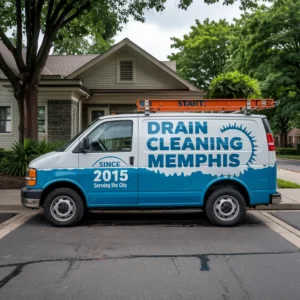
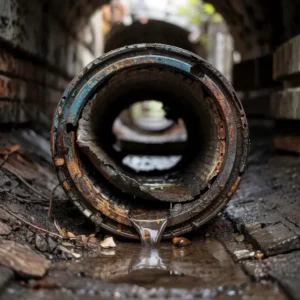
Jet Vacuuming Storm Systems Memphis
Heavy spring storms in Memphis can push silt, leaves, and street debris into storm drains, especially near older low-lying areas by South Memphis and Harbor Town.
Jet vacuuming storm systems clears packed sediment, mud, trash, leaves, and debris from storm drains, catch basins, and underground storm lines. It is for Memphis property owners, commercial sites, HOAs, and facilities dealing with poor drainage, parking lot flooding, or recurring stormwater backups caused by clay soil movement, aging infrastructure, and heavy seasonal rain.
Professional Jet Vacuuming Storm Systems In Memphis, TN
Jet vacuuming storm systems is different from basic drain clearing because storm lines carry runoff from roofs, parking lots, streets, loading areas, and low spots in the property. In Memphis, those systems take a beating. Water runs off Poplar Avenue, Summer Avenue, Lamar Avenue, Union Avenue, and older neighborhood streets carrying sand, leaves, gravel, cigarette butts, mulch, and oil residue into the same structures that are supposed to move water away quickly.
We often see storm drains in Midtown, Orange Mound, Binghampton, Whitehaven, and industrial properties near Airways Blvd holding several inches of compacted sludge before anyone realizes the outlet is restricted. The water may still move during a light rain, then fail during a spring storm when the catch basin fills faster than it can discharge.
Drain Cleaning Memphis uses jetting and vacuum recovery to break loose buildup and remove it from the system instead of simply pushing debris farther down the line. For property owners looking for professional drain cleaning in Memphis, the value is in getting the blockage out of the structure, not guessing where it went. That difference matters when the next hard rain hits. A good cleanup starts with understanding where the water is supposed to go and where the restriction is actually forming.
Our Process for Jet Vacuuming Storm Systems
We Trace the Runoff Path Before Cleaning
Before running equipment, we look at the way water is moving across the property. A storm system near Cooper-Young behaves differently from one behind a shopping strip on Germantown Parkway or a commercial lot off Summer Avenue. The slope, catch basin placement, pipe age, soil movement, and nearby tree cover all affect how debris collects.
In my experience, many Memphis stormwater problems are not caused by one obvious blockage. They are usually a chain of small restrictions: leaves packed under a grate, sediment settled in a basin, roots catching debris in an older clay line, and a downstream outlet partially buried after years of soil shifting.
We also pay close attention to low-lying areas. Around South Memphis, Harbor Town, and older properties closer to the Mississippi River floodplain, higher groundwater and slow-draining soil can make storm systems less forgiving. If a line is already holding silt, even a short burst of heavy rain can make water back up across a driveway, parking lot, or loading zone.
We Break Up Packed Sediment With Controlled Jetting
Once the drainage path is understood, we use high-pressure water to loosen compacted material inside the storm line or basin. This is where experience matters. Storm systems can contain mud, sand, gravel, leaves, roofing granules, plastic, sticks, and construction debris, and each one reacts differently under pressure.
Older Memphis infrastructure needs a careful hand. Around Midtown, the Medical District, and parts of South Memphis, we often find aging pipe materials, patched sections, offset joints, or older concrete structures that should not be treated like new commercial piping. The goal is to restore flow without damaging a weakened section.
On commercial properties near Beale Street, we also see runoff carrying grease residue, food waste, and street debris into exterior drains. That buildup can turn into a sticky layer that catches everything else coming through the grate. Jetting helps cut that material loose so it can be recovered instead of left to harden again.
For homeowners and property managers comparing options, drain cleaning specialists in Memphis should be able to explain how the system will be cleaned, where the debris will be removed from, and what signs point to a deeper drainage issue.
We Vacuum Out Debris Instead of Sending It Downstream
Vacuum recovery is the part many people overlook. If a storm basin is jetted but the debris is not removed, the system may look better for a few days and then clog again at the next bend, outlet, or low spot. That is especially common after strong rain events push loosened leaves and sediment deeper into the pipe.
We remove sludge, standing water, grit, and loose debris from the basin or access point so the system is not relying on water flow alone to carry the mess away. This is especially important for parking lots in Hickory Hill, Bartlett, Cordova, and Raleigh where storm drains collect runoff from large paved surfaces.
Mature trees also play a role. Around Overton Park, East Memphis, and Cooper-Young, oak and sweetgum leaves can build up quickly during fall and winter, then combine with spring rain to form a dense mat inside grates and basins. Once that layer mixes with sediment, it can hold water like a plug.
We Confirm Flow and Explain What We Found
After cleaning, we check how water moves through the structure and whether the basin is draining the way it should. If water still sits, that may point to a collapsed section, pipe belly, root intrusion, buried outlet, or grade problem rather than ordinary debris buildup.
We explain what came out of the system in plain language. Mud and leaf buildup usually means routine maintenance is needed. Gravel, broken pipe pieces, or heavy root material can point to pipe separation or structural damage. That distinction helps property owners avoid paying for repeated cleanouts when the real problem is deeper in the storm line.
We also look at practical prevention. A property near Lamar Avenue with heavy street runoff may need more frequent basin cleaning than a single-family home in Collierville. A shaded lot in East Memphis may collect leaves faster than a newer site with open grading. The cleaning tells a story, and the next step should match what the system is actually doing.
That brings up the question most customers ask once they understand the process: what should this cost in Memphis?
Cost Of Jet Vacuuming Storm Systems In Memphis
The cost of jet vacuuming storm systems in Memphis usually depends on access, debris volume, line length, and how many basins or drains need to be cleaned. A small residential storm drain or single catch basin cleanup may fall around $250 to $500 when access is simple and the blockage is mostly leaves, mud, or surface debris.
Larger residential properties, small apartment lots, churches, and light commercial sites often run $600 to $1,200, especially when multiple basins are connected or the line needs careful jetting from more than one access point. Parking lots, warehouse yards, shopping strips, and older commercial properties can range from $1,200 to $3,500 or more if there is heavy sludge, long pipe runs, limited equipment access, or disposal time involved.
Labor is a real part of the price. Jet vacuuming is not just turning on a hose. The technician has to stage the equipment, protect the surrounding area, open grates or lids, break loose compacted material, vacuum out debris, manage wastewater, and confirm flow before leaving. If the basin is full of sand, broken asphalt, roof gravel, or heavy mud, the job takes longer and disposal becomes more involved.
Storm season can also affect urgency. After repeated spring rain, properties in older zip codes like 38106 and 38107 may call at the same time because systems are overwhelmed by runoff and debris. The best price usually comes from cleaning before standing water is already covering the lot or pushing toward a building entrance.
Cost makes more sense once you know the warning signs that point to a storm system restriction.
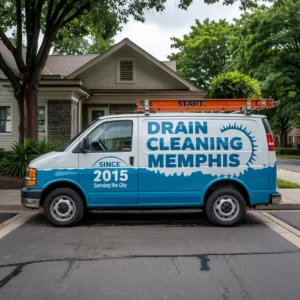
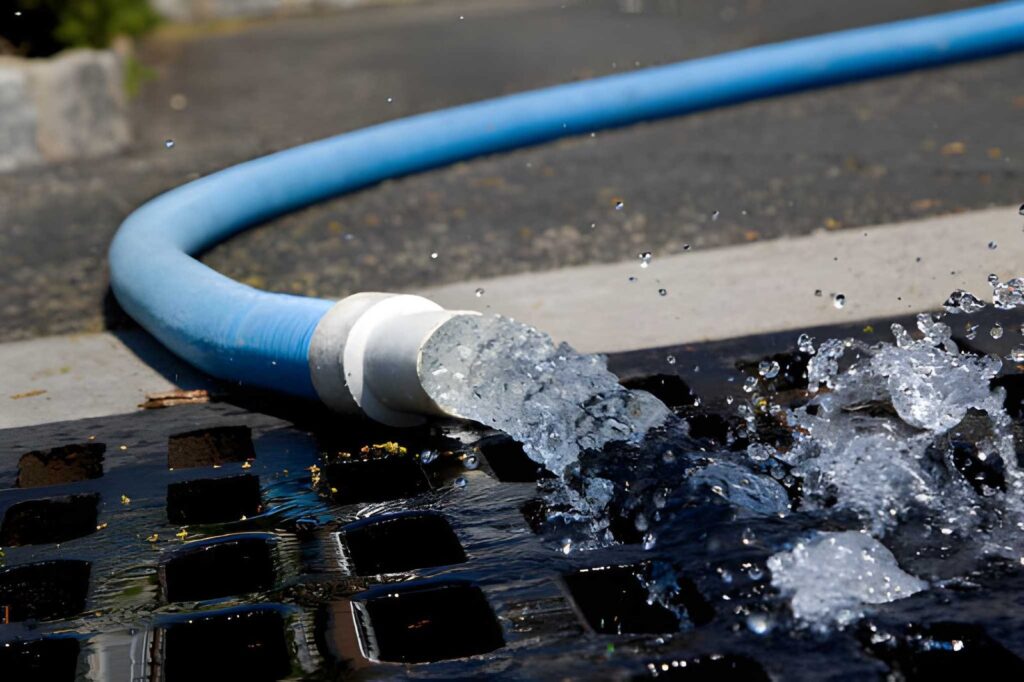
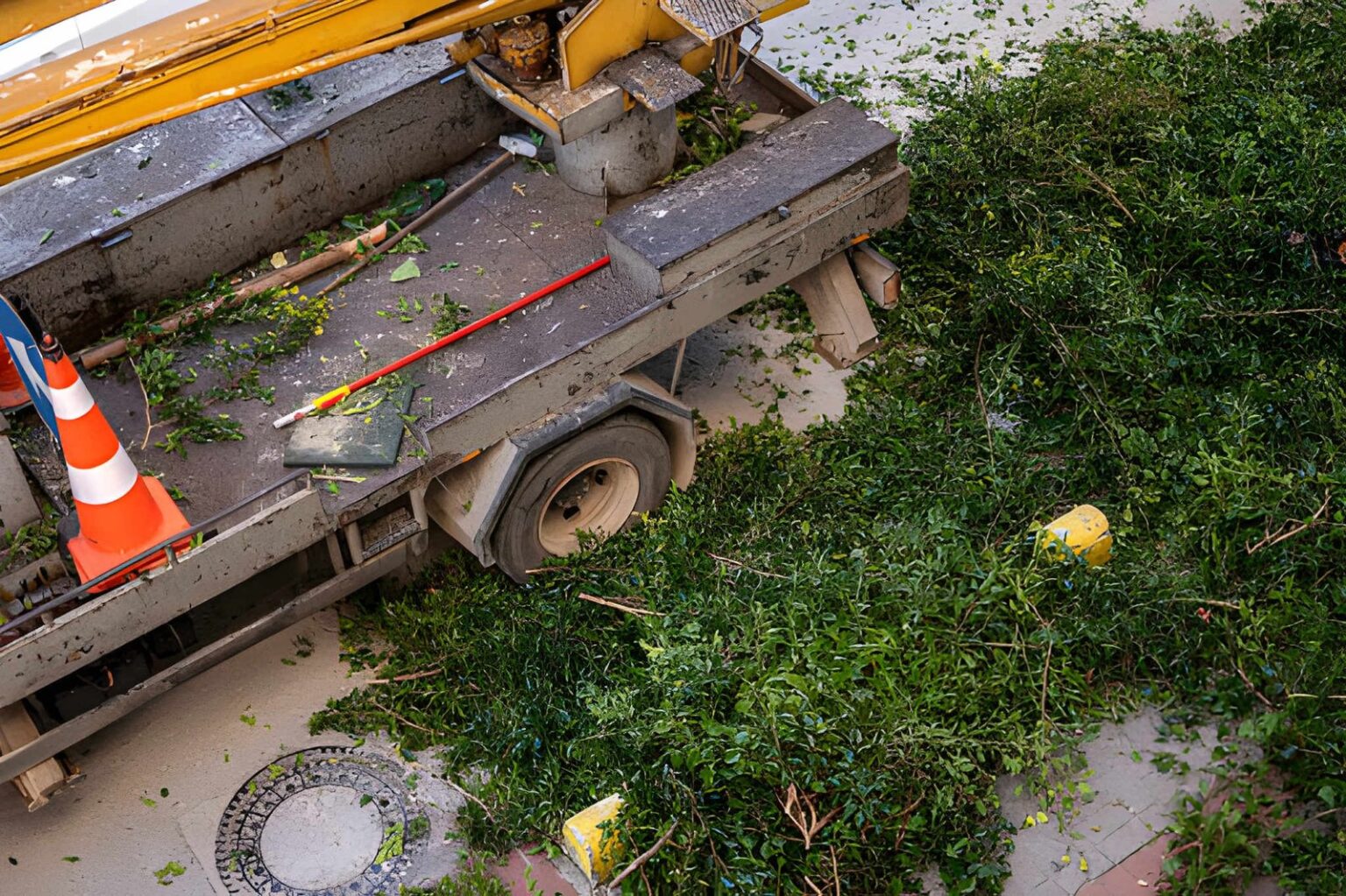
Examples of Our Drain Cleaning Projects In Memphis, TN
Signs You Need Jet Vacuuming Storm Systems
Water Pools Around Catch Basins After Rain
Standing water that remains near a grate hours after rain often means sediment, leaves, or trash are restricting flow below the surface.
Parking Lot Drains Back Up During Memphis Storm Events
Backups during heavy Memphis storms are a negative sign because the system cannot keep up when runoff volume is highest.
Mud, Odor, or Debris Comes Up Through the Grate
Sewer gas odors indoors are not typical for storm drains, but outdoor musty smells, mud, or floating debris near a grate suggest trapped buildup.
Our Satisfied Customers Reviews
Why Memphis People Choose Us?
Transparent, Honest Pricing
We provide clear estimates before work begins, with no hidden fees or surprise charges.
24/7 Emergency Response
Drain emergencies can’t wait. Our team responds quickly when backups, overflows, or urgent drain issues happen.
Fully Licensed and Insured Professionals
Our technicians are trained, licensed, insured, and background-checked for your peace of mind.
Community-First Approach
As a local Memphis business, we take pride in serving the community and treating every property with care.
Long-Term Solutions, Not Quick Fixes
We focus on resolving the underlying issue to help prevent recurring drain and sewer problems.
Respect for Your Time and Property
We arrive on schedule, work efficiently, and leave your property clean when the job is done.
FAQ'S About Jet Vacuuming Storm Systems
What does jet vacuuming a storm system mean?
Jet vacuuming uses high-pressure water to loosen mud, leaves, sediment, and debris inside storm drains, catch basins, and underground storm lines. The vacuum then removes that material from the system so it is not pushed farther downstream.
How much does jet vacuuming storm systems cost in Memphis?
Small residential cleanups may cost about $250 to $500, while larger residential or light commercial storm systems often range from $600 to $1,200. Bigger parking lots, industrial yards, and heavily packed systems can cost $1,200 to $3,500 or more depending on access, debris volume, and disposal needs.
How long does the service usually take?
A simple catch basin or short storm line may take one to two hours. Larger properties with multiple drains, heavy sediment, or poor access can take several hours because each structure has to be opened, cleaned, vacuumed, and checked for flow.
Can I clean a storm drain myself?
You can remove leaves and trash from the top grate, but packed sediment below the basin usually needs professional equipment. Shoveling surface debris will not clear a buried line, pipe belly, or compacted sludge sitting several feet below the opening.
Why do storm drains clog so often in Memphis?
Memphis has mature trees, heavy seasonal rain, older drainage infrastructure, clay soil movement, and low-lying areas affected by slow groundwater movement. Those conditions allow leaves, silt, roots, and street debris to collect inside storm systems faster than many property owners expect.
Is jet vacuuming safe for older storm pipes?
It can be safe when done with controlled pressure and proper judgment. Older concrete, clay, or patched pipe sections in areas like Midtown, South Memphis, and the Medical District should be cleaned carefully so the line is cleared without stressing weak sections.
What are the biggest warning signs before a storm drain fails?
The biggest signs are water pooling around grates, slow drainage after rain, mud rising through the basin, recurring debris on top of the grate, and backups during heavy storms. A drain that works during light rain but fails during a downpour is often partially restricted.
Does storm system cleaning help during spring rain season?
Yes. Spring storms can push a large amount of runoff through Memphis drainage systems in a short period of time. Cleaning before the season helps remove winter leaves, grit, and sediment before the system is tested by heavier rainfall.
Will jet vacuuming fix a broken storm line?
Jet vacuuming can clear debris and restore flow, but it will not repair a collapsed pipe, severe root intrusion, or a section that has shifted out of alignment. If the system still holds water after cleaning, the next step is usually further inspection.
How often should a storm system be cleaned?
Many residential systems only need cleaning when signs appear, but commercial lots, tree-covered properties, and low-lying areas may need scheduled maintenance once or twice a year. Properties near heavy traffic corridors like Poplar Avenue, Lamar Avenue, or Summer Avenue often collect more grit and street debris.