Sand Trap Cleaning Memphis
Memphis clay washout, spring storm runoff, and silt-heavy parking lots can pack sand traps fast, especially near Lamar Avenue, Airways Blvd, and older commercial corridors.
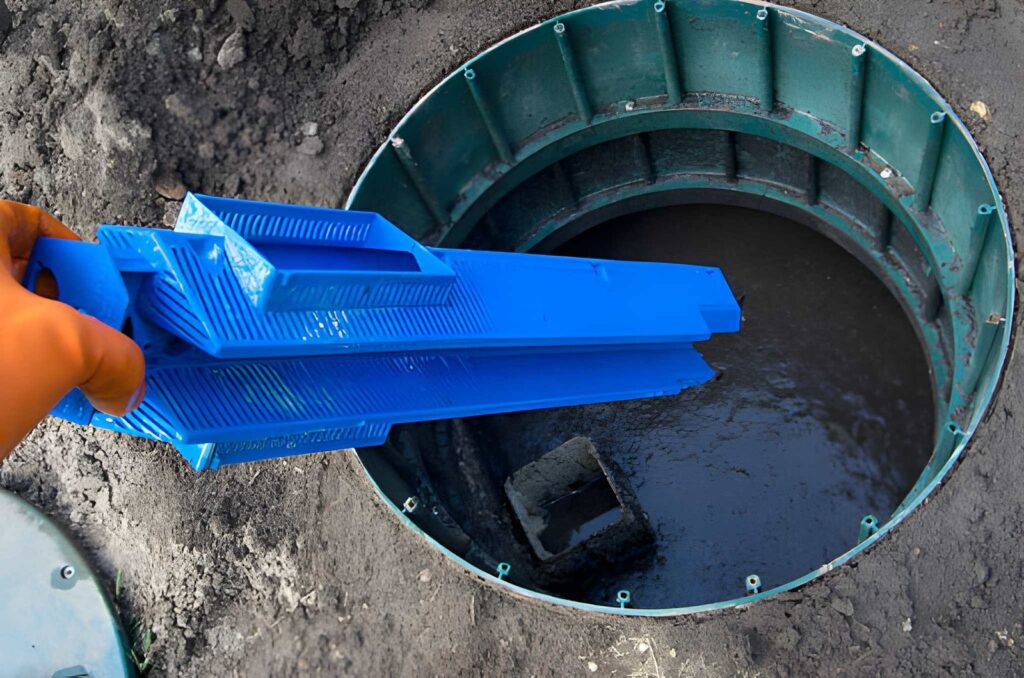
Sand trap cleaning removes settled grit, mud, sludge, and debris from interceptor basins before they overflow or harden. It is for Memphis homeowners, garages, car washes, shops, and properties with floor-drain systems where local clay soil, heavy rain, and aging drain layouts make buildup happen faster.
Professional Sand Trap Cleaning In Memphis, TN
Sand traps in Memphis do a harder job than many property owners realize. Every time muddy tires, wash water, mop water, or outdoor runoff enters a floor drain, heavier material settles at the bottom of the basin. Around South Memphis, Orange Mound, Binghampton, and industrial stretches near Lamar Avenue, we often see thick clay sediment mixed with grit from parking lots and service bays. Once that material compacts, water has less room to move, and the trap starts holding odors, backing up, or sending dirty water where it should not go.
Our sand trap cleaning service is built for real Memphis conditions, not a quick rinse-out. We remove packed solids, loosen sludge from the bottom and walls, and check how water is moving through the inlet and outlet after the basin is cleaned. Property owners looking for a local company that understands how these systems behave can learn more through our main drain cleaning page without having to guess who handles this kind of work.
Our Process for Sand Trap Cleaning
Basin Access and Sludge Level Check
We start by locating the sand trap cover, checking the access point, and looking at how full the basin is before disturbing the contents. In my experience, the first few minutes tell a lot. A trap behind a small shop near Summer Avenue may hold mostly sand and road grit, while a wash bay near Hickory Hill may have a heavier layer of clay, soap residue, and fine sludge.
We also look for warning patterns around the trap: standing water, crusted sediment near the lid, sewer gas odors indoors, or water rising in nearby floor drains. Those details help us understand whether the trap is only dirty or already restricting flow through the outlet. Memphis properties with older concrete pads or shifted slabs can hide these symptoms until the trap is nearly full.
Controlled Removal of Settled Solids
Once we understand what is inside the basin, we remove the accumulated sand, grit, mud, and settled debris in a controlled way. This is not the same as pushing water through the drain and hoping the material moves along. Sand traps are designed to hold heavy solids, so the goal is to get that material out of the basin instead of forcing it farther into the line.
We often see a hard bottom layer that looks almost like packed river silt, especially after a wet spring season. Memphis rain can carry a surprising amount of clay into low spots around driveways, shop yards, and parking areas. If that layer is not broken loose and removed, the trap may look better on the surface while the real blockage stays at the bottom.
Wall Rinse and Flow Path Review
After the bulk material is removed, we rinse down the inside walls and clear residue from the working area of the trap. The corners matter. Sludge often clings just below the normal water line, and that buildup can narrow the basin capacity even when the bottom has already been cleaned.
We then check how water enters and exits the trap. A healthy basin should settle solids while still letting water pass steadily through the outlet. If the flow path looks weak, we explain what we are seeing in plain language. Property owners who prefer a local crew familiar with these systems can also find us through licensed drain cleaners in Memphis before scheduling work.
Cleanup, Disposal Guidance, and Practical Maintenance Notes
Once the trap is cleaned, we close the access area carefully and leave the surrounding space as clean as the job allows. Sand trap work can be messy, especially in older buildings off Union Avenue, Southern Avenue, and near the Medical District where drain access is sometimes tight or boxed in by later renovations.
Before we leave, we give practical notes based on what came out of the trap. A light layer of sand points to normal maintenance. Heavy grease, foul odor, or black sludge tells a different story. We may recommend shorter cleaning intervals during rainy months, after parking lot resurfacing, or during heavy customer traffic periods near Beale Street or Poplar Avenue.
That kind of detail is what helps owners plan the next cleaning before the trap becomes an emergency
Cost Of Sand Trap Cleaning In Memphis
Sand trap cleaning in Memphis usually depends on basin size, access, material depth, and how long the trap has gone without service. For a smaller residential or light-use floor-drain trap, a straightforward cleaning may run around $250 to $450 when the lid is accessible and the buildup is soft. A larger commercial trap, wash bay basin, or heavily packed interceptor can land between $500 and $1,200, especially if the material is dense clay, oily sludge, or compacted grit that has to be broken loose carefully.
Labor is the real variable. A trap behind a small garage in East Memphis with clear access can be cleaned much faster than one tucked behind equipment on a busy property near Lamar Avenue. If the cover is rusted, buried under pavement patching, or surrounded by settled concrete, the job takes more time before cleaning even begins.
Disposal can also affect the final price. Wet sand and sludge are heavy, and some waste needs to be handled differently depending on what is mixed into it. We explain that before work begins so the price makes sense, not after the basin is open.
The best way to control cost is to clean the trap before the material hardens and starts affecting nearby drains.
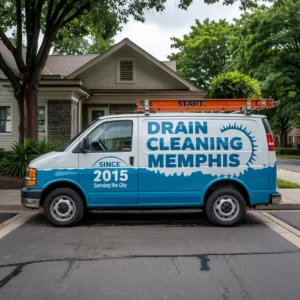
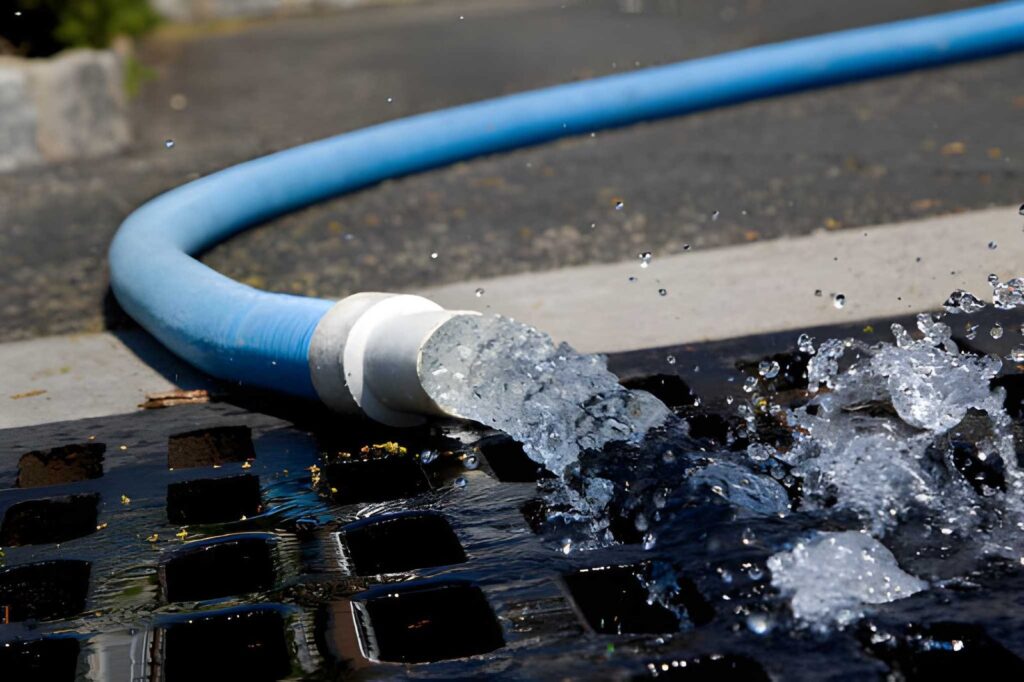
Examples of Our Drain Cleaning Projects In Memphis, TN
Signs You Need Sand Trap Cleaning
Floor drains near the garage, wash area, or shop bay start holding water longer after use, especially after heavy rain around Memphis streets.
Sewer gas odors indoors or sour sludge smells near the trap lid can mean trapped solids are decomposing instead of settling cleanly.
Mud, grit, or black residue appears around the cover after spring storm events, showing the basin is too full to hold incoming sediment.
Our Satisfied Customers Reviews
Why Memphis People Choose Us?
Transparent, Honest Pricing
We provide clear estimates before work begins, with no hidden fees or surprise charges.
24/7 Emergency Response
Drain emergencies can’t wait. Our team responds quickly when backups, overflows, or urgent drain issues happen.
Fully Licensed and Insured Professionals
Our technicians are trained, licensed, insured, and background-checked for your peace of mind.
Community-First Approach
As a local Memphis business, we take pride in serving the community and treating every property with care.
Long-Term Solutions, Not Quick Fixes
We focus on resolving the underlying issue to help prevent recurring drain and sewer problems.
Respect for Your Time and Property
We arrive on schedule, work efficiently, and leave your property clean when the job is done.
FAQ'S About Sand Trap Cleaning
How often should a sand trap be cleaned in Memphis?
Most lightly used sand traps should be checked at least once or twice a year. High-use wash bays, garages, and properties that collect clay-heavy runoff may need cleaning more often, especially after spring storms or long periods of wet weather.
What does sand trap cleaning actually remove?
It removes settled sand, grit, mud, sludge, fine clay, and debris that sink to the bottom of the basin. The goal is to restore holding capacity so solids stay in the trap instead of restricting the outlet.
How long does the cleaning usually take?
A simple accessible trap may take about one to two hours. Larger basins, compacted sediment, difficult lids, or traps with heavy sludge can take several hours because the material must be removed carefully.
Can I clean a sand trap myself?
Small surface debris can sometimes be cleared by a property owner, but packed sediment inside the basin usually needs professional removal. Pushing water into the trap can send solids into the outlet and create a worse restriction.
Why do Memphis sand traps fill so quickly?
Memphis clay soil, storm runoff, older paved areas, and mature tree coverage all contribute to sediment movement. Properties near low-lying areas, busy roads, or unsealed lots often collect grit faster than expected.
What are the warning signs that the trap is overdue?
Slow floor drains, standing water near the trap, foul odors, residue around the lid, and muddy water after rain are common warning signs. A full trap may also cause nearby drains to gurgle or drain unevenly.
Does cleaning a sand trap stop sewer gas odors?
It can help when the odor is coming from decomposing sludge or stagnant material inside the basin. If the smell continues after cleaning, the drain layout, venting, or nearby line condition may need closer inspection.
Is sand trap cleaning different for commercial properties?
Yes. Commercial traps often hold more material, receive heavier daily use, and may contain soap residue, oil, or dense sediment. Access, disposal needs, and cleaning frequency are usually bigger factors than in a small residential setup.
What affects the price the most?
The biggest cost factors are trap size, access, depth of material, how compacted the solids are, and disposal requirements. A neglected trap with hardened clay takes more labor than a basin cleaned on a regular schedule.
What should I do after the trap is cleaned?
Watch how nearby floor drains behave during normal use and after rain. Keeping mud, loose gravel, and heavy debris away from drain openings will help the trap last longer between cleanings.