Grease Interceptor Cleaning Memphis
Memphis restaurants near Beale Street, Lamar Avenue, and Midtown often fight grease buildup faster during summer heat and spring storm backups.
Grease interceptor cleaning removes fats, oils, sludge, and food solids from the tank serving your commercial kitchen. It is for restaurants, cafes, churches, schools, and food-service properties in Memphis, where older sewer infrastructure, heavy rain, and high-volume kitchens can turn neglected grease into backups, odors, and compliance headaches.
Professional Grease Interceptor Cleaning In Memphis, TN
A grease interceptor works quietly until it does not. In Memphis, we often see problems start in busy kitchens along Poplar Avenue, Summer Avenue, Union Avenue, and near the Medical District, where lunch rushes and weekend traffic push a lot of wastewater through one system. Grease cools, thickens, and settles into the interceptor, while food solids collect at the bottom. Once the tank loses working capacity, wastewater slows down and odors begin drifting back through floor drains.
In my experience, the most frustrating calls come from kitchens that were cleaned “recently” but only skimmed at the surface. A proper cleaning removes floating grease, settled sludge, and compacted solids so the interceptor can separate waste the way it was designed to. Memphis properties also deal with local pressure points, including older cast iron drainage in pre-1970s buildings, low-lying areas near the Mississippi River floodplain, and storm events that can stress already slow commercial lines.
For local business owners who need practical help instead of vague plumbing talk, our drain cleaning company in Memphis keeps the focus on keeping kitchen wastewater moving, odors controlled, and grease disposal handled correctly. That starts with a cleaning process built around what is actually inside the tank.
Our Process for Grease Interceptor Cleaning
Kitchen Flow Check Before Opening The Tank
We begin by looking at how wastewater is moving from the kitchen into the interceptor. A restaurant on Beale Street with fryers running late into the night has a different load than a small breakfast spot near Cooper-Young or a church kitchen in Orange Mound. Sink volume, mop sink use, dishwasher discharge, and food prep habits all affect how quickly grease and solids build up.
We also pay attention to warning patterns around the property. Floor drains that gurgle after the lunch rush, sour odors near a prep line, or slow drainage after spring storms can tell us whether the problem is limited to the interceptor or spreading into the downstream line. In older Memphis buildings, especially around Midtown and South Memphis, cast iron piping can already be rough inside, so grease sticks faster than it would in a newer smooth-walled pipe.
Full Removal Of Grease, Sludge, And Solids
Once the lid is opened safely, the cleaning has to go deeper than the surface cap. The floating grease layer is only part of the problem. The heavier waste at the bottom can be thick, compacted, and easy to miss if the job is rushed.
We remove the accumulated fats, oils, grease, food particles, and settled sludge so the interceptor regains working volume. That matters because an interceptor that is half-filled with waste cannot slow the water long enough for grease to separate. Around high-traffic food corridors like Poplar Avenue, Lamar Avenue, and Germantown Parkway, that lost capacity can show up quickly during dinner service.
Baffle, Inlet, And Outlet Inspection
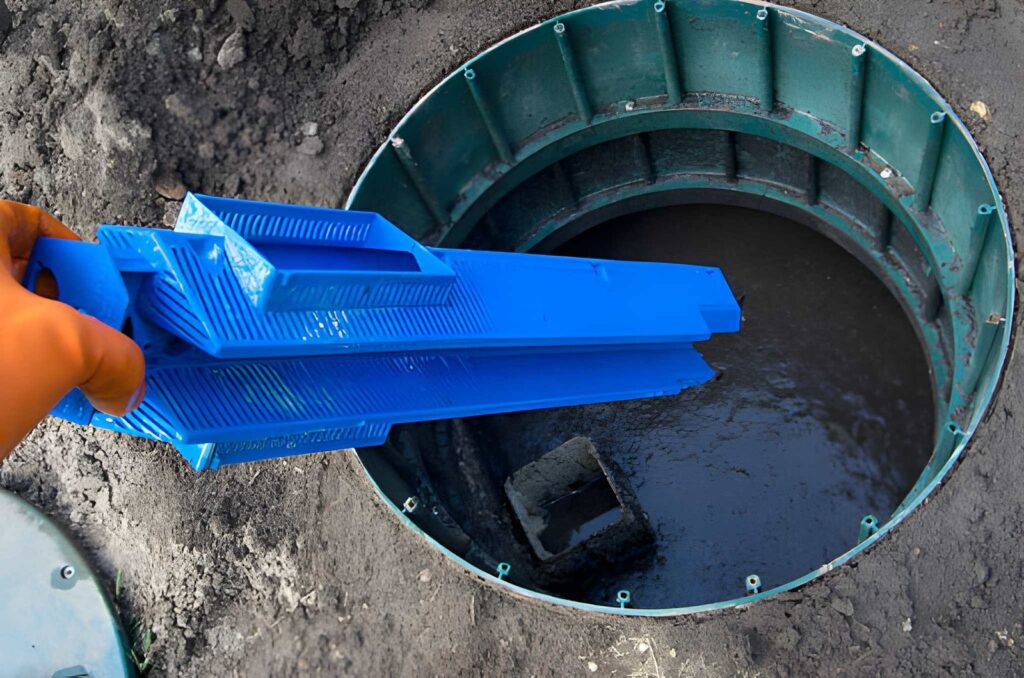
The baffles inside the interceptor guide wastewater through the tank and keep grease from escaping into the sewer line. If a baffle is loose, missing, broken, or buried in hardened grease, the interceptor may look clean at the surface while still sending grease downstream. We often see this in older restaurants that have changed owners several times and do not have reliable maintenance records.
During this part of the job, we check the inlet and outlet areas for blockage, corrosion, flow restriction, and heavy buildup. In parts of East Memphis, Binghampton, and Whitehaven where older underground drainage has been patched over the years, a restriction after the interceptor can make the whole kitchen act like the tank is full. That is why cleaning and inspection should happen together, not as two disconnected tasks.
Cleanup Notes And Practical Maintenance Timing
After the interceptor is cleaned, we look at what came out of it and explain what that means for your schedule. Thin grease with moderate solids may point to normal use. Thick hardened grease, heavy food debris, or repeated odor complaints usually means the cleaning interval is too long for the kitchen’s volume.
We do not guess based only on calendar dates. A small cafe in Cordova may not need the same timing as a barbecue spot near Summer Avenue or a late-night kitchen near Beale Street. We help you understand the pattern so you are not waiting until sewer gas odors, fruit flies, or a Saturday night backup forces the issue. For property owners comparing local options, Memphis drain clog solutions should be based on what your kitchen actually sends down the line, not a one-size schedule.
That practical understanding also affects price, because grease interceptor cleaning cost depends heavily on access, volume, and how long the waste has been sitting.
Cost Of Grease Interceptor Cleaning In Memphis
Grease interceptor cleaning in Memphis commonly starts around $250 to $450 for smaller indoor units with easy access and routine buildup. Larger outdoor interceptors, heavy sludge, difficult lids, or neglected tanks often run $500 to $1,200 or more, depending on size, waste volume, disposal needs, and labor time.
The biggest cost driver is not just the tank size. It is how hard the material is to remove. Grease that has been sitting through Memphis summer heat can harden into thick layers, especially in restaurants using fryers, flat tops, and heavy sauce prep. A tank that is cleaned on schedule usually takes less time than one that has compacted solids around the inlet and outlet.
Access also matters. A kitchen near Beale Street with tight alley access, a property on Union Avenue with limited parking, or a restaurant on a busy stretch of Germantown Parkway may require more labor setup than a tank with clear outdoor access. If the lid is buried, rusted, sealed by buildup, or located under stored equipment, the job takes longer.
There may also be extra expense when downstream piping is already affected. We see this in older buildings around Midtown, South Memphis, and parts of Frayser where old drain lines catch grease after it escapes the interceptor. A fair estimate should explain those variables clearly before work begins, because nobody wants a vague bill after the kitchen is already backed up. The signs below help you know when cleaning should be scheduled before it turns into a business interruption.
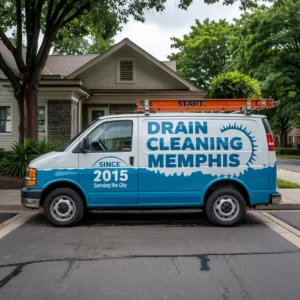
Examples of Our Drain Cleaning Projects In Memphis, TN
Signs You Need Grease Interceptor Cleaning
Sour grease odors are coming from floor drains near prep sinks, dish areas, or the mop sink after the kitchen has been running.
Fruit flies keep gathering near drains even after surface cleaning, which usually means organic sludge is sitting inside the interceptor or nearby piping.
Wastewater backs up during Memphis storm events, especially in older low-lying areas where sewer lines already struggle with heavy rainfall.
Our Satisfied Customers Reviews
Why Memphis People Choose Us?
Transparent, Honest Pricing
We provide clear estimates before work begins, with no hidden fees or surprise charges.
24/7 Emergency Response
Drain emergencies can’t wait. Our team responds quickly when backups, overflows, or urgent drain issues happen.
Fully Licensed and Insured Professionals
Our technicians are trained, licensed, insured, and background-checked for your peace of mind.
Community-First Approach
As a local Memphis business, we take pride in serving the community and treating every property with care.
Long-Term Solutions, Not Quick Fixes
We focus on resolving the underlying issue to help prevent recurring drain and sewer problems.
Respect for Your Time and Property
We arrive on schedule, work efficiently, and leave your property clean when the job is done.
FAQ'S About Grease Interceptor Cleaning
How often should a grease interceptor be cleaned in Memphis?
Most commercial kitchens need cleaning every 30 to 90 days, but the right timing depends on cooking volume, grease load, tank size, and how quickly solids collect. A busy fryer-heavy restaurant near Beale Street or Poplar Avenue may need service more often than a small cafe with lighter prep.
What does grease interceptor cleaning include?
It includes removing floating grease, settled sludge, food solids, and buildup around the inlet and outlet areas. A proper cleaning also checks whether the interceptor is flowing correctly and whether baffles or outlet restrictions are causing grease to move downstream.
How long does the service usually take?
A small, accessible indoor unit may take about one to two hours. Larger outdoor interceptors, heavy buildup, stuck lids, or difficult access can take longer, especially at busy Memphis properties with tight parking or alley access.
Can my kitchen staff clean the interceptor themselves?
Staff can handle surface cleaning around sinks and strainers, but full interceptor cleaning should be handled with the right equipment and disposal process. Grease waste is messy, heavy, and easy to leave behind if the tank is only skimmed.
Why does my kitchen smell bad even after mopping?
A sour or rotten odor can come from grease and food solids sitting inside the interceptor, not from the floor surface. We see this often when sludge has built up below the water line or when the outlet area is packed with old grease.
Why do Memphis restaurants have grease problems during hot weather?
Summer heat can make kitchen grease more fluid at first, but once it cools inside the interceptor or pipe, it thickens and sticks. Restaurants with fryers, barbecue prep, and heavy dishwashing loads often notice odors and slow drainage faster during long hot stretches.
Can stormy weather affect a grease interceptor?
Yes, heavy Memphis rain can expose a weak drainage system. If sewer lines are already slow, low-lying areas near the Mississippi River floodplain or older zip codes can experience added pressure that makes interceptor problems show up as floor drain backups.
What happens if the interceptor is not cleaned on time?
Grease and solids reduce the tank’s working space, allowing waste to escape into the drain line. That can cause kitchen backups, sewer gas odors indoors, fruit flies, slow floor drains, and more expensive cleaning if the downstream pipe becomes coated.
Is grease interceptor cleaning required for food-service businesses?
Many food-service properties are expected to maintain grease control because fats, oils, and grease can damage public sewer systems. Requirements can vary by property and jurisdiction, so restaurant owners should keep cleaning records and follow local wastewater guidance.
What can we do between cleanings to prevent buildup?
Use sink strainers, scrape plates before washing, keep large food solids out of drains, and avoid pouring fryer oil or grease into sinks. The biggest improvement comes from matching the cleaning schedule to the actual kitchen volume instead of waiting for odors or backups.