Flooded Yard Cleaning Memphis
Standing water in a Memphis yard often means more than rain; Shelby County clay soil and older drainage paths can trap water around foundations for days.
Flooded yard cleaning removes standing water, saturated debris, mud buildup, and drainage obstructions for homeowners with soggy lawns, pooling near slabs, or water creeping toward crawl spaces. Memphis makes this service necessary because heavy spring storms, clay soil, and aging neighborhood drainage routes can leave yards soaked long after the rain stops.
Professional Flooded Yard Cleaning In Memphis, TN
A flooded yard in Memphis is rarely just a messy lawn. Around Midtown, Orange Mound, Binghampton, and older streets off Southern Avenue, water often collects where the ground has settled over time or where old runoff paths have been blocked by leaves, roots, compacted soil, and storm debris. In East Memphis and Raleigh, we often see standing water pushed toward low corners of the property after repeated rain because clay soil drains slowly once it is fully saturated.
Our flooded yard cleaning service is built for homeowners who need the water cleared, the mess removed, and the drainage area inspected before the problem spreads toward the foundation, patio, garage, or crawl space. In my experience, the biggest mistake is waiting until the lawn “dries on its own,” because Memphis humidity can leave soggy areas soft enough to attract insects, create odors, and weaken soil around walkways.
For homeowners comparing help, Memphis drain cleaning services gives you a direct place to understand who we are and how we handle water-related drain problems locally. Once the standing water is under control, the next step is figuring out why it sat there in the first place.
Our Process for Flooded Yard Cleaning
Locating Where The Water Is Holding
We start by walking the yard and looking at the way water is sitting, not just where it looks deepest. A puddle near a fence line in Whitehaven tells a different story than water collecting beside a driveway off Poplar Avenue or behind a slab home in Hickory Hill.
We look for blocked yard drains, buried drain covers, low soil pockets, mud-packed grates, downspout discharge points, and areas where runoff is being redirected from a neighboring property or driveway. In Memphis, clay soil can make a yard look like it has a drainage failure even when the real issue is a blocked outlet or a compacted surface layer holding water in place.
Removing Standing Water, Mud, And Debris
After the problem areas are identified, we begin clearing the water and loose material that is keeping the yard saturated. This can include pumping standing water, removing leaves and sediment from drain openings, clearing packed mud, and pulling out debris that washed in during a storm.
We often see this after strong spring rain around low-lying parts of South Memphis, Frayser, and older streets near the Medical District. Water carries small branches, mulch, trash, and roof grit into the lowest part of the lawn, then everything settles over the drain path like a plug. A clean yard surface matters, but the more important part is reopening the route water needs to leave the property.
Checking Yard Drainage Paths For Hidden Blockage
Once the surface water and debris are cleared, we check whether water can actually move away from the yard. That may mean testing a visible yard drain, watching how water moves toward a curb outlet, or checking for slow flow where soil, roots, or collapsed sections may be restricting the path.
Mature oak and sweetgum trees around Cooper-Young, Overton Park, and East Memphis are beautiful, but their roots can push into older clay or cast iron drainage lines over time. We see yards that flood every storm not because the lawn is “too flat,” but because the underground path is partially blocked. Homeowners who want a local crew can review your local Memphis drain specialists while deciding how quickly to handle recurring yard flooding.
Leaving The Yard Safer And Easier To Monitor
The last part of the work is making the area easier to watch after the next rain. We clear visible access points, point out areas where water is likely to return, and explain what we noticed in plain language.
That matters in neighborhoods like Bartlett, Cordova, and Collierville, where larger yards can hide small drainage problems until a heavy storm exposes them. Around older Memphis homes, especially properties built before the 1970s, we also pay close attention to water sitting near foundations because repeated saturation can make small settling issues worse. A clean yard after a flood is good, but knowing what caused the water to stay there is what helps you avoid calling for the same mess after every storm.
Cost Of Flooded Yard Cleaning In Memphis
Flooded yard cleaning in Memphis usually starts around $175 to $350 for a smaller, straightforward cleanup where the water is shallow, access is easy, and the main issue is surface debris or a blocked yard drain cover. A more involved job with deeper standing water, heavy mud, multiple low spots, or cleanup behind a fence can run from $350 to $750.
The cost changes because labor changes. Pumping water from a flat backyard in Midtown is not the same as dragging equipment through a narrow side yard in Orange Mound or clearing storm-washed mud from a long drainage run near Germantown Parkway. If the yard has thick clay, heavy leaf buildup, or water sitting near a crawl space opening, the job takes more time and care.
A service call may also cost more if the flooding points to a buried drain obstruction. Clearing a visible grate is usually simple. Finding a hidden blockage under soil, roots, or years of sediment takes more inspection and equipment. In summer, we also see standing water mixed with grease-like organic buildup from patios, outdoor kitchens, and restaurant-adjacent properties near Beale Street, which can make cleanup slower.
The best price comes from seeing the yard, the access, and the water depth. Once those details are clear, the next thing to watch is how your yard is warning you before the next storm makes the problem obvious.
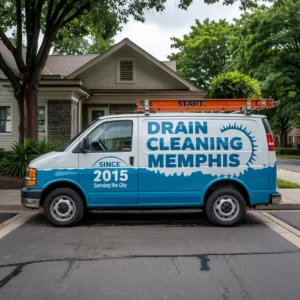
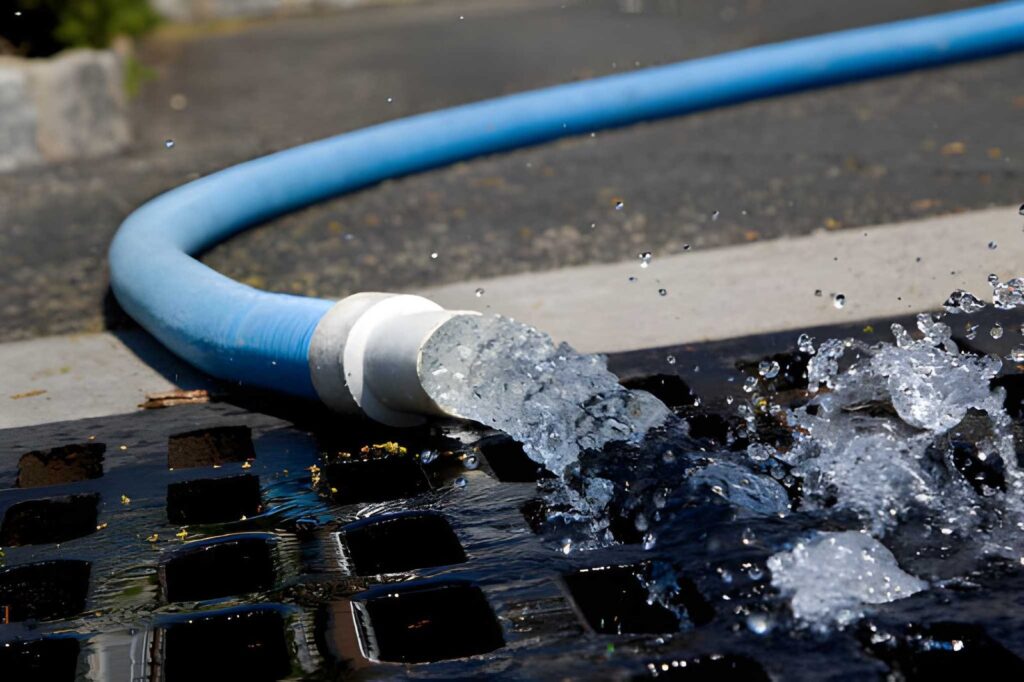
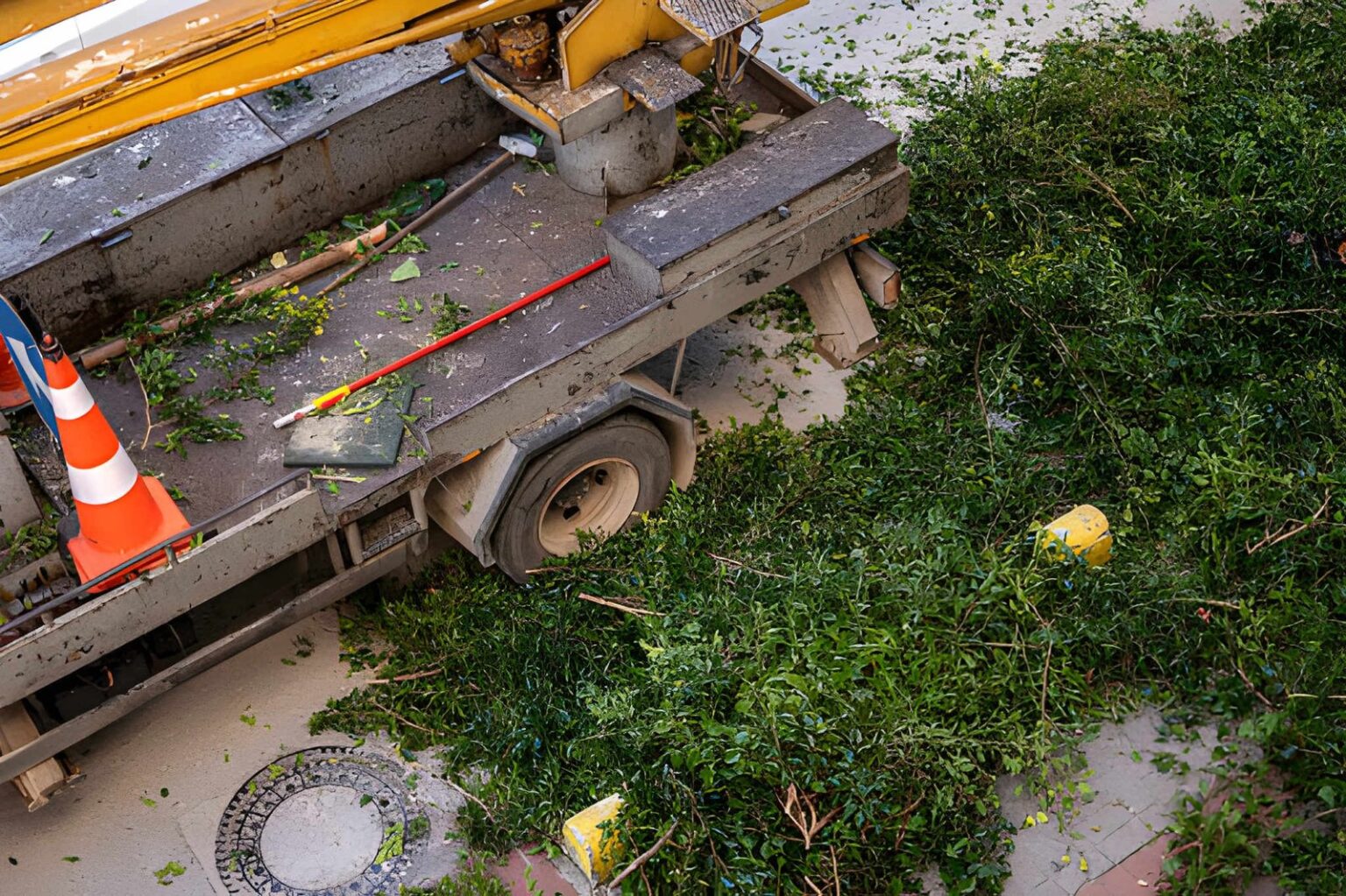
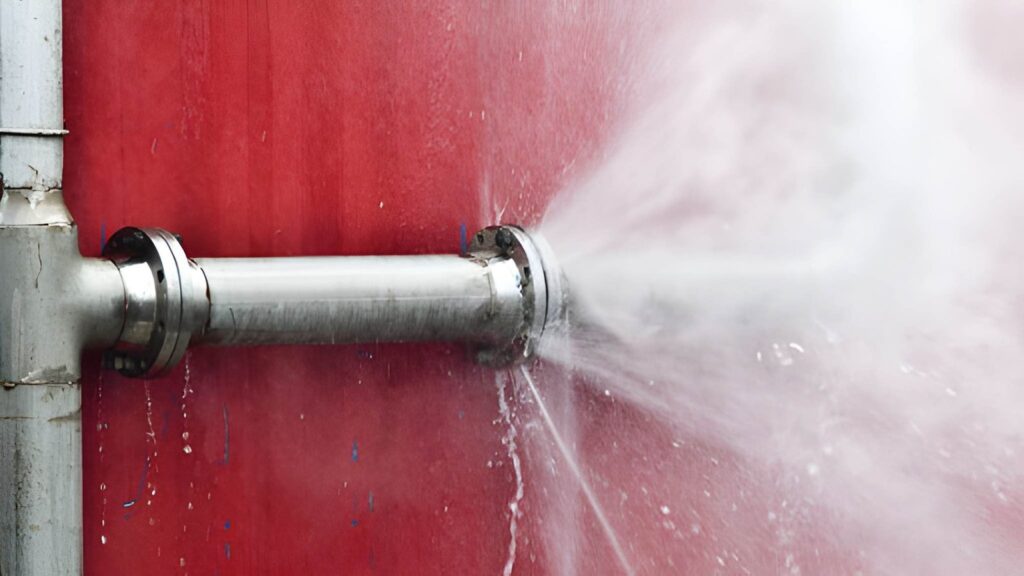
Examples of Our Drain Cleaning Projects In Memphis, TN
Signs You Need Flooded Yard Cleaning
Water Still Sitting In The Yard A Day After Rain Ends
Memphis clay soil drains slowly, but water that stays near patios, fences, or foundations after clear weather usually means the runoff path is blocked.
Mud, Leaves, And Washed Debris Collecting Around Drain Openings
After storms along Summer Avenue, Union Avenue, or Lamar Avenue, debris can seal yard drains and keep water trapped across low lawn areas.
Fruit Flies, Sewer Gas Odors, Or Backups During Memphis Storm Events
Standing water with insects, drain odors, or storm-related backups is a negative sign that the yard issue may involve drainage restriction, not just rainfall.
Our Satisfied Customers Reviews
Why Memphis People Choose Us?
Transparent, Honest Pricing
We provide clear estimates before work begins, with no hidden fees or surprise charges.
24/7 Emergency Response
Drain emergencies can’t wait. Our team responds quickly when backups, overflows, or urgent drain issues happen.
Fully Licensed and Insured Professionals
Our technicians are trained, licensed, insured, and background-checked for your peace of mind.
Community-First Approach
As a local Memphis business, we take pride in serving the community and treating every property with care.
Long-Term Solutions, Not Quick Fixes
We focus on resolving the underlying issue to help prevent recurring drain and sewer problems.
Respect for Your Time and Property
We arrive on schedule, work efficiently, and leave your property clean when the job is done.
FAQ'S About Flooded Yard Cleaning
How much does flooded yard cleaning cost in Memphis?
Most flooded yard cleaning jobs in Memphis cost between $175 and $750, depending on water depth, yard access, mud buildup, debris, and whether a drain opening or underground drainage path is blocked. A small surface cleanup costs less than a yard that needs pumping, sediment removal, and drainage testing.
How quickly can standing water be removed from my yard?
Simple standing water can often be removed during the same visit if access is clear and the water has a place to discharge safely. Larger flooded areas, heavy mud, or hidden drain restrictions can take longer because the cleanup has to be done without pushing water toward the home or neighboring property.
Why does my Memphis yard flood even after normal rain?
Many Memphis yards flood because clay soil holds water, older drainage paths become blocked, and low areas settle over time. In neighborhoods with mature trees, roots can also interfere with underground drainage lines, especially around Cooper-Young, East Memphis, and older Midtown properties.
Is flooded yard cleaning different from regular lawn cleanup?
Yes. Regular lawn cleanup removes leaves, sticks, and surface debris. Flooded yard cleaning deals with standing water, saturated mud, blocked drain openings, storm-washed sediment, and the immediate drainage conditions that are keeping the yard wet.
Can I handle a flooded yard myself with a pump?
You can remove some standing water with a pump, but it may not solve the reason the water collected. If the yard drain is blocked, the soil is redirecting water toward the home, or the discharge path is clogged, the same area will likely flood again during the next Memphis storm.
What areas of the yard matter most during cleanup?
We pay close attention to water near foundations, crawl space vents, patios, garages, fences, and yard drain openings. Water sitting near the slab or crawl space is more urgent than water in the middle of a lawn because it can affect soil stability around the home.
Does standing yard water cause odors?
It can. Water that sits over leaves, mud, grass clippings, or drain debris can develop a sour smell, and odors are stronger during warm Memphis weather. If the smell resembles sewer gas indoors or near a drain, the issue should be checked more carefully.
Why does my yard flood more during spring storm season?
Spring storms can drop heavy rain over a short period, and Memphis drainage systems in older areas may already be carrying runoff from streets, roofs, and neighboring lots. Once clay soil is saturated, water has fewer places to go and can sit in low yard areas longer.
Will flooded yard cleaning fix the problem permanently?
It can solve the immediate water and debris problem, but permanent results depend on the cause. If the issue is a blocked surface drain, cleaning may be enough. If the yard has grading problems, root intrusion, or a damaged underground drain, further correction may be needed.
What should I do after my yard is cleaned?
Watch the same area during the next rain and note how quickly water leaves. Keep drain covers visible, clear leaves after storms, and avoid letting mulch, soil, or grass clippings pile up near drainage paths. If water returns quickly, the yard may have a deeper restriction that needs attention.