Backflow Prevention and Cleaning Memphis
Backflow trouble in Memphis often starts where high groundwater, older sewer laterals, and sudden spring storms push dirty water toward aging home drain systems.
Backflow prevention and cleaning protects your home from contaminated wastewater reversing into sinks, tubs, floor drains, or sewer-connected fixtures. It is for Memphis homeowners in older neighborhoods, low-lying areas, and properties with aging pipes where clay soil, storm pressure, and older infrastructure make reverse flow more likely.
Professional Backflow Prevention and Cleaning In Memphis, TN
In Memphis, backflow is not just a plumbing inconvenience. It can become a sanitation issue fast, especially in homes near South Memphis, Harbor Town, Orange Mound, and parts of Midtown where older sewer lines and low elevations can make wastewater movement unpredictable during heavy rain. Backflow prevention and cleaning means checking the parts of your drain and sewer setup that stop dirty water from moving the wrong way, then cleaning the line so the system has a clear path to discharge safely.
We approach this service with the kind of practical care that comes from working in Memphis homes for more than a decade. We often see backflow risks in pre-1970s houses with cast iron piping near Cooper-Young, homes off Southern Avenue with older lateral connections, and slab homes in Hickory Hill where shifting ground has affected pipe slope. For homeowners comparing options, trusted drain cleaning Memphis TN is a helpful place to understand who you are calling before water starts coming up through a floor drain.
The first step is figuring out whether the issue is caused by a dirty line, a failed prevention device, storm-related pressure, or a deeper restriction in the sewer path.
Our Process for Backflow Prevention and Cleaning
We Start With the Direction of Flow
The first thing we look for is simple but important: where the water is trying to go. Backflow problems can show up at basement-style floor drains, utility room drains, tubs, toilets, and cleanouts, but the location tells us a lot about whether the trouble is inside the home’s drainage branch or farther down the sewer lateral.
In my experience, Memphis homes near Midtown and the Medical District often need a careful look at old cast iron lines because internal scaling can narrow the pipe and make reverse pressure worse. In areas like Whitehaven and Raleigh, we also pay attention to yard slope, cleanout placement, and whether stormwater seems to affect the same fixtures every time rain hits hard.
We do not treat every backup as the same kind of blockage. A grease-heavy kitchen line near a rental property off Poplar Avenue behaves differently than a main line exposed to root intrusion near Overton Park. The goal is to understand the pressure pattern before cleaning begins.
When needed, we inspect access points, check visible backflow prevention components, and ask about timing. A backup at 7 a.m. after laundry use points one direction; wastewater rising during a storm cell over Frayser points another.
We Clean the Line Without Guessing
Once we understand the likely flow restriction, we clean the affected line using the access point that gives the safest and most complete reach. For many Memphis properties, that means working from an exterior cleanout near the side yard or driveway rather than tearing into finished spaces first.
Backflow cleaning is different from a quick sink cable. The line has to be opened enough for wastewater to move away from the home under real-use conditions. We often see soft blockages from grease, wipes, sludge, and cast iron scale, especially in homes around Binghampton, East Memphis, and older streets off Summer Avenue.
A clean line matters because a backflow prevention device cannot do its job well if pressure keeps building behind it. If the pipe downstream is packed with debris, the valve or preventer may keep closing, sticking, or allowing seepage around worn parts.
Homeowners can learn more about the company behind the work through Drain Cleaning Memphis, but the work itself comes down to patience, access, and knowing how older Memphis drainage systems behave under stress.
We Check the Prevention Point
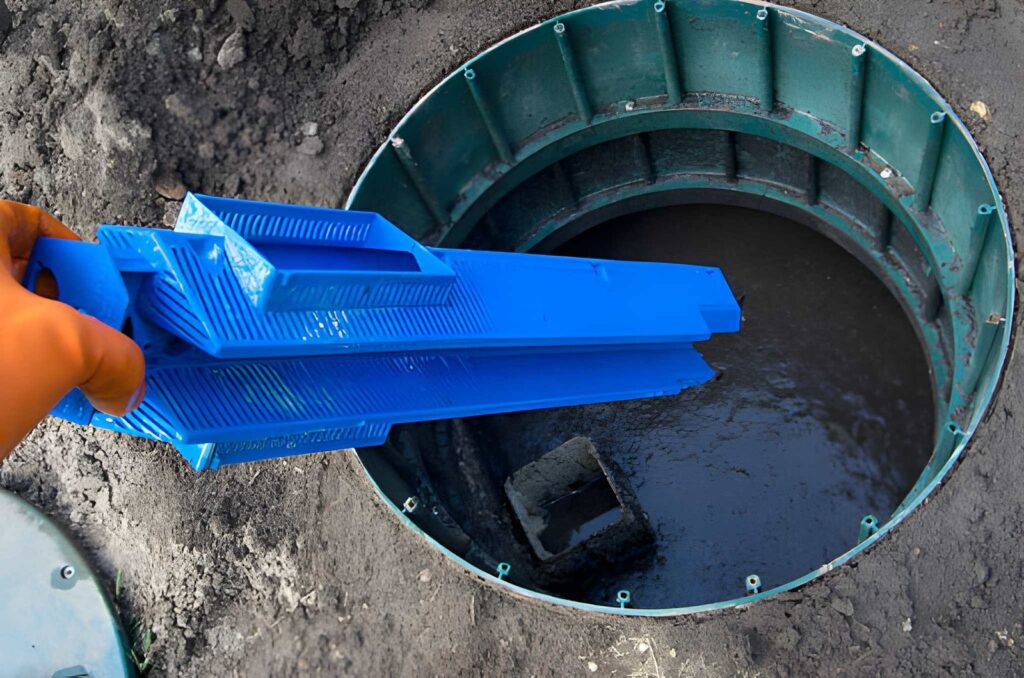
After cleaning, we focus on the prevention point. That may include a backwater valve, check valve, cleanout arrangement, or other device designed to stop wastewater from returning toward the house. We check for debris around the flap or gate, signs of wear, improper slope, and whether the device is positioned where it can actually protect the fixtures at risk.
In Memphis, we pay special attention to homes near the Mississippi River floodplain and low-lying pockets where saturated ground can add pressure to old sewer laterals. A device that works fine in dry weather can struggle during a hard spring storm if the pipe is already partially restricted or the valve chamber is dirty.
We also see root intrusion around mature oak and sweetgum trees in Cooper-Young, East Memphis, and around Overton Park. Roots do not have to fully collapse a line to create backflow trouble. Sometimes they catch wipes and paper until the line behaves like a dam.
This is why cleaning and prevention have to be handled together. A clean valve on a dirty line will not solve the problem, and a clean pipe with a damaged prevention point still leaves the home vulnerable during the next surge.
We Test With Real Water Use
Before we call the job complete, we run water through the affected fixtures and watch how the line responds. This matters because some drainage problems only show themselves after sustained flow, such as a washing machine discharge, multiple bathroom fixtures running, or a kitchen line releasing hot greasy water.
We also explain what we found in plain language. If the issue appears tied to a worn device, we say that. If the pipe is older cast iron with heavy internal buildup, we explain what that means for future maintenance. If storm events are the trigger, we talk through practical warning signs to watch during the next heavy rain.
Memphis homes can be unpredictable because the city has such a wide mix of pipe ages, soil movement, and neighborhood drainage patterns. A house near Lamar Avenue may have very different risks than a newer property in Cordova or Collierville.
By the end of the visit, the goal is not just a cleared line. It is a safer drainage path, a working prevention point, and a homeowner who understands what caused the reverse flow in the first place.
Cost Of Backflow Prevention and Cleaning In Memphis
Backflow prevention and cleaning in Memphis usually starts around $175 to $350 for a straightforward cleaning and inspection where access is easy and the line obstruction is close to the fixture or cleanout. If the work involves a main sewer line, exterior cleanout access, heavier buildup, or repeated testing, the price commonly falls between $350 and $750.
The cost changes when the problem is deeper than surface cleaning. A backwater valve packed with debris may only need careful cleaning and testing, but a cracked or poorly placed prevention device can require repair or replacement planning. Homes near Midtown and South Memphis with old cast iron piping may take longer because the cable or cleaning head has to move through rough, scaled pipe without damaging weak sections.
Labor also depends on access. A cleanout beside a driveway in Bartlett is faster to work from than a buried or hidden access point behind landscaping near Central Gardens. If the line needs camera inspection after cleaning, that can add to the total, but it may save money by showing whether roots, pipe belly, or damaged fittings are causing the repeated reverse flow.
We explain the likely range before the work starts, then update the homeowner if the pipe condition changes what is needed. That makes the next part easier: knowing the warning signs before backflow turns into a bigger cleanup.
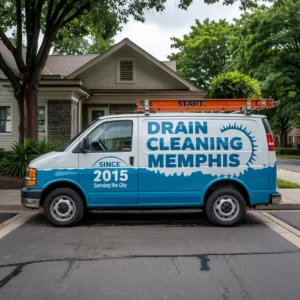
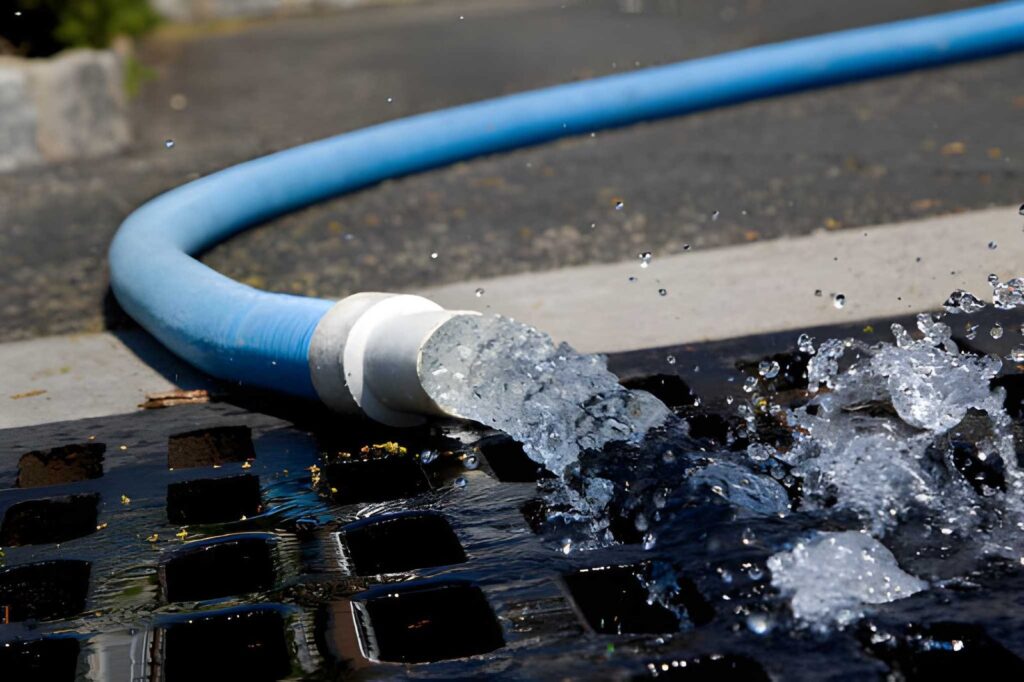
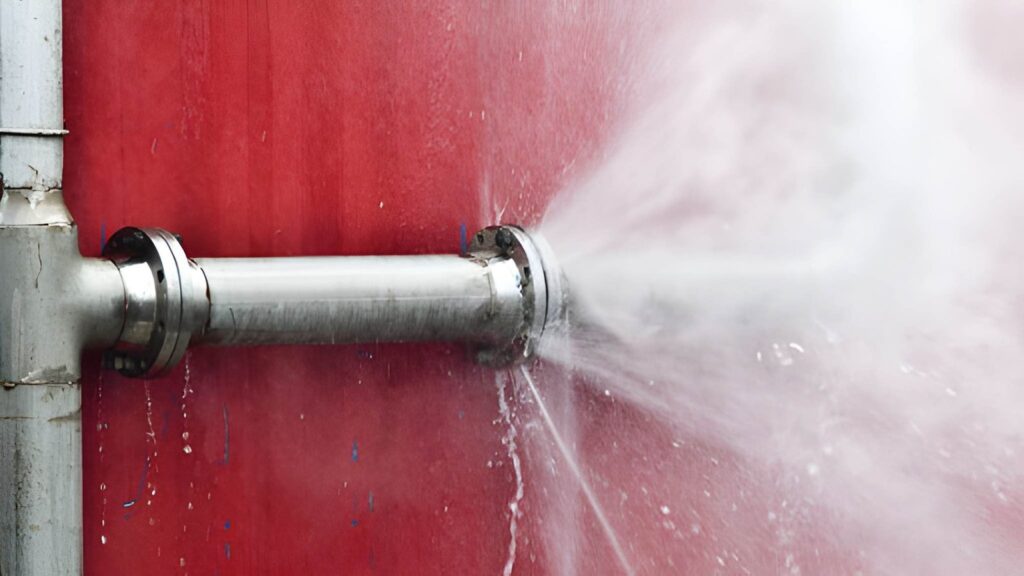
Examples of Our Drain Cleaning Projects In Memphis, TN
Signs You Need Backflow Prevention and Cleaning
Dirty Water Comes Up During Memphis Storms
Wastewater rising through floor drains, tubs, or low fixtures during heavy rain can mean sewer pressure is pushing backward instead of draining away safely.
Sewer Odors Show Up Indoors
A sewer gas smell near drains, utility rooms, or bathrooms may point to trapped waste, a dirty prevention point, or reverse pressure in the line.
Drains Gurgle After Large Water Use
Gurgling after laundry, showers, or toilet flushing often means air is fighting through a restricted pipe before water can move toward the sewer.
Our Satisfied Customers Reviews
Why Memphis People Choose Us?
Transparent, Honest Pricing
We provide clear estimates before work begins, with no hidden fees or surprise charges.
24/7 Emergency Response
Drain emergencies can’t wait. Our team responds quickly when backups, overflows, or urgent drain issues happen.
Fully Licensed and Insured Professionals
Our technicians are trained, licensed, insured, and background-checked for your peace of mind.
Community-First Approach
As a local Memphis business, we take pride in serving the community and treating every property with care.
Long-Term Solutions, Not Quick Fixes
We focus on resolving the underlying issue to help prevent recurring drain and sewer problems.
Respect for Your Time and Property
We arrive on schedule, work efficiently, and leave your property clean when the job is done.
FAQ'S About Backflow Prevention and Cleaning
What is backflow prevention and cleaning?
Backflow prevention and cleaning is the process of clearing the drain or sewer line and checking the device or setup that stops wastewater from reversing into the home. The service is meant to protect sinks, tubs, floor drains, toilets, and utility areas from contaminated water moving the wrong way.
How much does backflow prevention and cleaning cost in Memphis?
Most basic jobs in Memphis range from about $175 to $350 when the problem is easy to access. Main line cleaning, valve cleaning, heavier blockage, or added testing can bring the cost closer to $350 to $750 depending on pipe condition and access.
Why does backflow happen more during Memphis storms?
Heavy rain can raise groundwater and increase pressure around older sewer systems. In low-lying areas near South Memphis, Harbor Town, and older zip codes like 38106 and 38107, that pressure may expose weak points in aging laterals, restricted pipes, or dirty prevention devices.
Can I clean a backflow problem myself?
You can clean visible debris around a floor drain cover, but you should not try to disassemble a backflow prevention device or force a cable into an unknown sewer line without experience. A mistake can damage the valve, push debris deeper, or expose you to contaminated wastewater.
How long does the service usually take?
A straightforward visit may take one to two hours. More involved cleaning, older cast iron lines, difficult access, root intrusion, or repeated water testing can take longer because the line has to be cleared and checked under real flow conditions.
What Memphis homes are most at risk for backflow issues?
Older homes in Midtown, Cooper-Young, South Memphis, Orange Mound, and parts of the Medical District are common because many still have aging cast iron or clay sewer components. Slab homes in Hickory Hill and properties with mature trees in East Memphis can also have problems from soil movement or roots.
What warning signs should I watch after a backflow cleaning?
Watch for sewer odors, gurgling drains, slow fixtures, water stains around floor drains, or wastewater rising during heavy rain. If the same fixture reacts again, the issue may involve pipe slope, root intrusion, or a worn prevention device rather than simple debris.
Does backflow prevention cleaning remove tree roots?
Cleaning can remove root masses that are blocking the pipe, but roots often grow back if the pipe has cracks, open joints, or clay sections. Homes near Overton Park, East Memphis, and Cooper-Young often need periodic monitoring because mature trees search aggressively for moisture around sewer lines.
Should this be done before spring storm season?
Yes, it is smart to handle backflow cleaning before the wettest part of the year if your home has backed up during past rains. A clean line and working prevention point give the system a better chance when stormwater pressure rises.
How do I keep the problem from coming back?
Avoid flushing wipes, keep grease out of kitchen drains, and pay attention to how low fixtures behave after heavy rain. For older Memphis homes, a periodic cleaning schedule may be the practical choice, especially if the line has cast iron scale, roots, or a history of reverse flow.