Root Removal Memphis
Memphis tree roots press hard on older sewer laterals, especially near Cooper-Young and Midtown where clay pipe joints meet shifting Shelby County soil.
Root removal clears invasive tree growth from drain and sewer lines for Memphis homeowners dealing with slow drains, recurring backups, or gurgling pipes. In this city, mature oaks, sweetgums, clay soil movement, and older cast iron or clay lines make underground pipe intrusion more common than many people realize.
Professional Root Removal In Memphis, TN
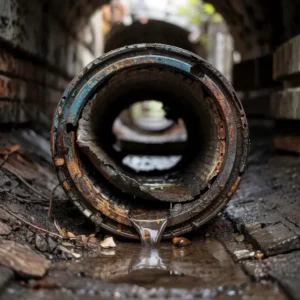
Root intrusion is not just a “tree problem.” It is a pipe access problem. Tiny openings at clay joints, cracked cast iron, offset pipe sections, and weakened sewer laterals give nearby roots a path toward moisture and nutrients. Once they get inside, they spread into a thick mat that catches tissue, grease, sludge, and household waste.
We often see this in Midtown homes built before 1960, older properties off Southern Avenue, and tree-lined blocks around Overton Park and Cooper-Young. East Memphis yards with large shade trees can have the same issue, especially where sewer lines run under mature root systems before reaching the city main.
A proper clearing visit should identify where the blockage is, how aggressive the growth has become, and whether the pipe can stay open after cleaning. Homeowners searching for Memphis drain cleaning services usually want more than a temporary poke-through, and that is exactly where careful inspection matters.
The work begins with symptoms inside the house, but the real story is usually under the yard, driveway, or street-side connection.
Our Process for Root Removal
We Start With The Drain Pattern
The first thing we look at is how the home is backing up. A single slow bathroom sink is different from a toilet bubbling when the washing machine drains. When multiple fixtures act up together, the trouble is usually deeper in the main line.
In Memphis, we pay close attention to neighborhoods with older underground piping. Homes near Union Avenue, Lamar Avenue, Orange Mound, Binghampton, and South Memphis often have sewer laterals that have dealt with decades of ground movement. Shelby County clay soil expands, shrinks, and shifts, which can slightly separate pipe joints over time.
We also ask when the backup happens. If it gets worse during spring storm season or after heavy rain, groundwater may be adding pressure around weak pipe sections. Low-lying areas closer to the Mississippi River floodplain can have saturated soil that makes old sewer defects show up faster.
We Locate The Obstruction Before Cutting
Once we understand the drain behavior, we work toward the blockage instead of guessing. A root mass can sit near the cleanout, halfway across the yard, under a slab edge, or close to the city tap. The location changes the tool choice and the time involved.
In my experience, the mistake many homeowners regret is paying for a quick cable pass without learning where the growth entered. A small opening through the blockage may let water drain for a few days, but the same root web can swell back into place once paper and grease catch on it again.
That is why a careful service visit focuses on access, pipe direction, resistance in the line, and the age of the material. A pre-1970s cast iron line near Midtown behaves differently from a PVC replacement line in Cordova or Bartlett.
We Cut, Clear, And Flush The Line
For active intrusion, the goal is to cut the growth back enough for strong flow through the pipe. The equipment has to match the line size, pipe condition, and blockage density. Too light, and it only punches a hole. Too aggressive, and it can stress a brittle pipe that already has cracks.
We often see heavy root tangles mixed with grease in kitchen-heavy lines, especially in rentals or older homes where disposal use has been rough on the drains. Summer heat can also make grease buildup stickier inside the pipe before it cools and hardens farther down the line.
During this stage, we clear the pipe in passes instead of treating it like one quick pull. That gives the cutter a better chance to break up fibrous growth and move debris out instead of leaving a loose mat behind. For homeowners comparing options through Drain Cleaning Memphis, this is the difference between clearing the symptom and restoring usable flow.
We Explain What The Line Is Likely To Do Next
Root removal can restore drainage, but it does not magically seal the pipe opening that allowed growth inside. If the line has separated joints, cracks, bellies, or crushed sections, roots may return. The honest answer depends on the pipe, not on a promise made at the door.
After clearing, we explain what we found in plain language. A homeowner in Hickory Hill with slab movement may need different follow-up than a Cooper-Young homeowner with clay pipe under a sweetgum. A house off Poplar Avenue with mature oak roots may need more frequent maintenance than a newer property in Collierville.
The best result is a line that drains properly and a homeowner who understands what caused the issue, what was removed, and what signs to watch for next.
Cost Of Root Removal In Memphis
Root removal in Memphis commonly falls between $225 and $650 for many residential jobs, depending on access, line length, equipment needed, and how dense the growth is. A simple cleanout access near the exterior wall usually costs less than working through a roof vent, pulling a toilet, or fighting a blockage deep under the yard.
The biggest price variable is time. A light root catch near the cleanout may clear quickly. A packed sewer lateral under a mature tree near Overton Park, East Memphis, or Raleigh can take longer because the cutter has to work through layered growth, sludge, paper, and sometimes hardened grease.
Labor also changes when the line is fragile. Older cast iron and clay pipe cannot always be treated aggressively. A technician may need slower passes, smaller cutter heads, and more careful flushing to avoid making a bad pipe worse.
After-hours visits, weekend calls, and active sewage backups inside the home can raise the cost. A late-night backup in Whitehaven or Frayser is priced differently than a scheduled daytime clearing with easy access.
The most useful estimate comes after the access point and symptoms are known. From there, the cost should make sense before the work begins.
Examples of Our Drain Cleaning Projects In Memphis, TN
Signs You Need Root Removal
Multiple fixtures drain slowly at the same time
A tub, toilet, and laundry drain slowing together usually points beyond a single branch line, especially in older Memphis homes with yard-side sewer laterals.
Backups happen during Memphis storm events
Heavy rain can push groundwater around weak pipe joints, making hidden growth problems show up as floor drain backups or bubbling toilets indoors.
No fruit flies, but sewer gas odors indoors
Fruit flies suggest organic drain buildup; sewer gas odors point toward deeper line trouble, venting issues, or a main pipe obstruction needing closer attention.
Our Satisfied Customers Reviews
Why Memphis People Choose Us?
Transparent, Honest Pricing
We provide clear estimates before work begins, with no hidden fees or surprise charges.
24/7 Emergency Response
Drain emergencies can’t wait. Our team responds quickly when backups, overflows, or urgent drain issues happen.
Fully Licensed and Insured Professionals
Our technicians are trained, licensed, insured, and background-checked for your peace of mind.
Community-First Approach
As a local Memphis business, we take pride in serving the community and treating every property with care.
Long-Term Solutions, Not Quick Fixes
We focus on resolving the underlying issue to help prevent recurring drain and sewer problems.
Respect for Your Time and Property
We arrive on schedule, work efficiently, and leave your property clean when the job is done.
FAQ'S About Root Removal
How do I know roots are really inside my sewer line?
The most common clues are recurring main line backups, gurgling toilets, slow tubs, and drains that clog again soon after being cleared. In Memphis, this is especially common around older clay or cast iron laterals near mature trees.
Can root growth be cleared without digging up my yard?
Yes, many lines can be cleared through an existing cleanout using mechanical cutting equipment. Digging is usually only considered when the pipe is collapsed, badly offset, or too damaged to stay open after clearing.
How long does the service usually take?
Many residential jobs take about one to three hours. Dense growth, poor access, long sewer runs, or fragile older pipe can extend the visit.
Is this safe for old cast iron pipe?
It can be, but the tool choice matters. Older cast iron in Midtown, South Memphis, and the Medical District may be brittle or scaled inside, so aggressive cutting is not always the right approach.
Why do roots keep coming back after clearing?
Roots return because the pipe still has an opening, crack, separated joint, or weak connection. Clearing removes the growth inside the line, but it does not repair the defect that let roots enter.
What does root removal cost in Memphis?
A typical residential visit often ranges from $225 to $650. The final price depends on access, line depth, blockage severity, service timing, and whether the technician has to work through fixtures instead of a cleanout.
Can I use chemical root killer instead?
Chemical products may slow fine growth in some situations, but they do not remove a heavy root mass that is already blocking flow. They also will not fix cracked clay, deteriorated cast iron, or separated pipe joints.
Why is this common in neighborhoods like Cooper-Young and East Memphis?
Those areas have mature trees, older sewer routes, and many homes with aging underground pipe materials. Roots naturally seek moisture, and older pipe joints give them entry points.
Can heavy rain make a root problem worse?
Yes. During spring storm season, saturated soil can put extra pressure around weak sewer laterals. If roots are already restricting the pipe, rain-related groundwater can make backups happen faster.
What should I do after the line is cleared?
Watch for slow drains, bubbling toilets, sewer odors, or repeat backups. Avoid flushing wipes, limit grease down kitchen drains, and schedule follow-up clearing if your home has known tree-heavy sewer issues.